Upstate NYDBER 2026
June 11–12, 2026
Cornell University, Ithaca NY
Cornell University, Ithaca NY
| Home | Program | Directory | Posters | Gallery |
Browse and connect with fellow attendees. Use the search box or filter by DBER field to find colleagues with shared interests.

Michelle Smith
Cornell University
Michelle Smith is Distinguished Professor of Arts & Sciences and Senior Associate Dean for Undergraduate Education at Cornell University. Her research focuses on identifying difficult concepts in undergraduate biology, understanding what makes active learning effective, and supporting faculty implementing evidence-based instructional change. She uses classroom-based assessments, interviews, observation protocols, and surveys analyzed through quantitative and qualitative methods.

Natasha Holmes
Cornell University
Natasha Holmes is Ann S. Bowers Associate Professor of Physics at Cornell University. Her lab studies teaching and learning in physics and other STEM courses, with a major focus on the efficacy of hands-on laboratory courses. Her research explores how students develop critical thinking skills, how different course environments affect motivation and persistence, and how students develop an understanding of the nature of scientific measurement. She uses both qualitative and quantitative methods.
Alexandra Coso Strong
Cornell University
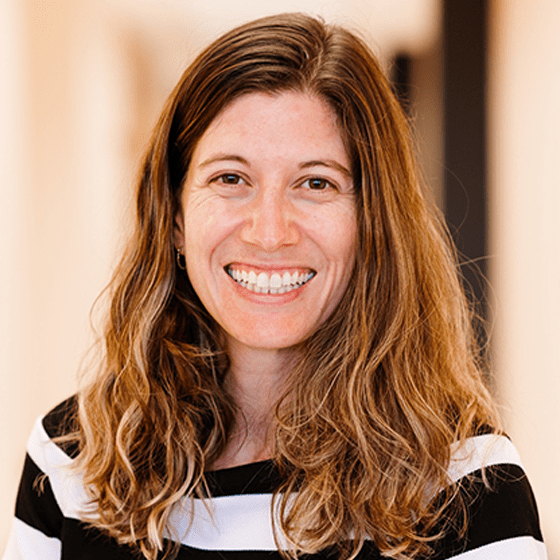
Alexandra Coso Strong is Associate Professor in the R.F. Smith School of Chemical and Biomolecular Engineering at Cornell, where she joined in 2024. Her research focuses on sustainable change within educational systems and preparing engineers to address complex global challenges. She leads the REDES team, studying student and faculty experiences in engineering courses, cross-disciplinary communication, and the voices of instructional faculty. She holds a Ph.D. in Aerospace Engineering from Georgia Tech and an NSF CAREER Award.
Alexandra Werth
Cornell University
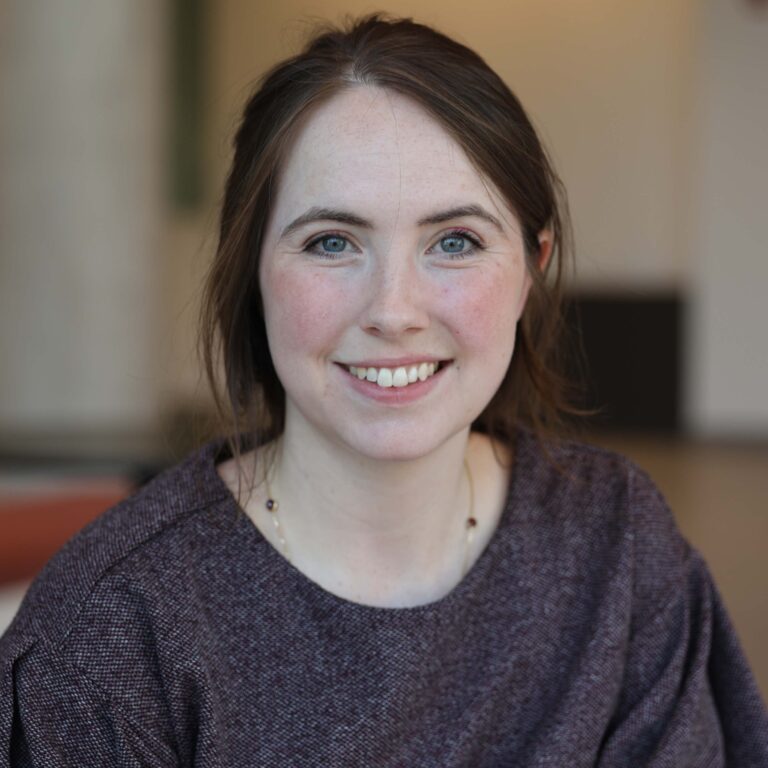
Alexandra Werth is Assistant Professor at the Meinig School of Biomedical Engineering at Cornell, joining in Fall 2023. Her work focuses on Engineering Education Research (EER) and developing evidence-based teaching methodologies to foster authentic learning environments. She holds dual degrees in engineering and physics from Swarthmore College and a Ph.D. in Electrical and Computer Engineering from Princeton. She played a key role in developing the first large-enrollment introductory physics course-based research experience (CURE) during her postdoc at CU Boulder.
Allison Godwin
Cornell University
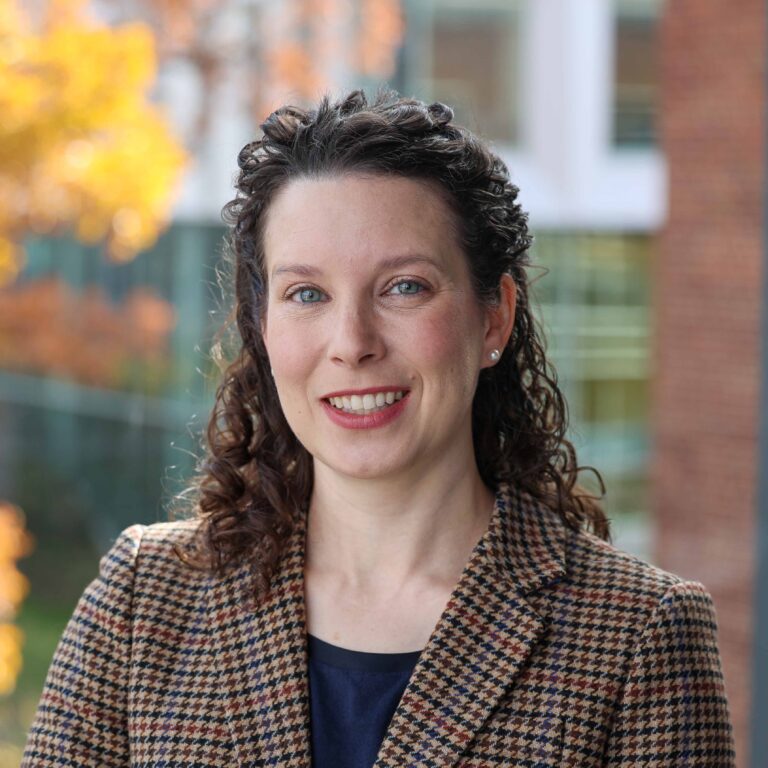
Allison Godwin is the Dr. G. Stephen Irwin '67, '68 Professor of Engineering Education Research in the R.F. Smith School of Chemical and Biomolecular Engineering at Cornell. She was Cornell Engineering's first engineering education hire. Her research focuses on how diverse students navigate pathways into and through engineering, engineering identity development, inclusive pedagogy, and workforce development. She is the Past Chair of the ASEE Educational Research and Methods Division and holds a Ph.D. in Engineering and Science Education from Clemson University.
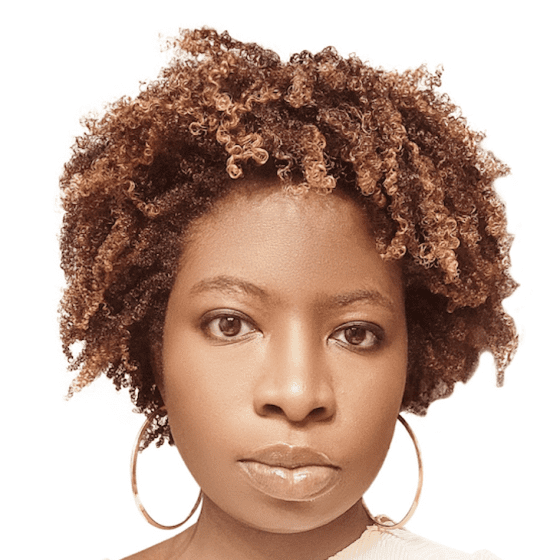
Jessica Rush Leeker
Cornell University
Dr. Jessica Rush Leeker is an accomplished educator and researcher with extensive experience in applied analytics, engineering education, and social impact within STEM. She is joining the Cornell ORIE department after serving as Director of Undergraduate Education at CU Boulder, where she led initiatives to enhance curriculum, foster diversity, and support students through industry-aligned programs. She has secured over $4 million in NSF funding, including the "Roots and Wings" and "Building a Legacy in Engineering" grants, which focus on developing pathways in STEM.
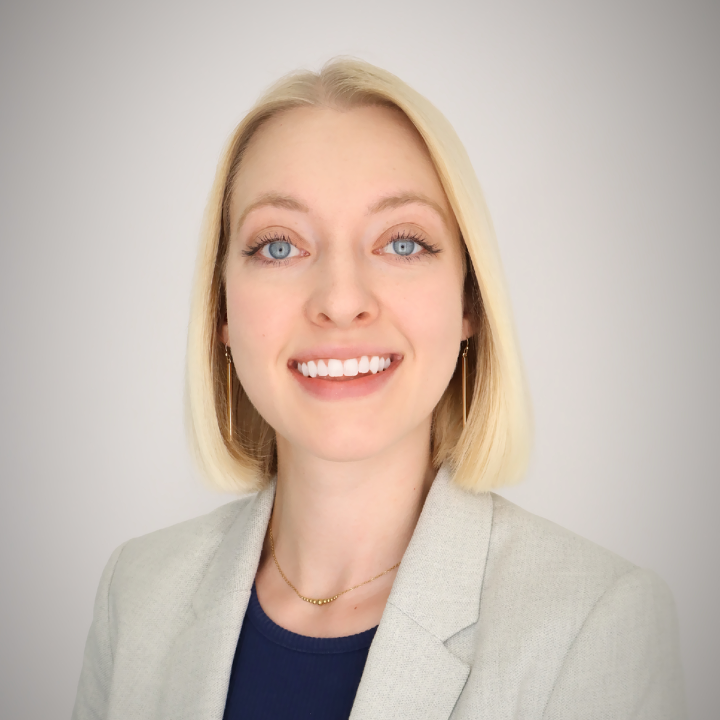
Cara Robertus
Cornell University
Cara is a Postdoctoral Fellow in Discipline-Based Education Research (DBER) at Cornell University. After completing Bachelor's degrees in Chemical Engineering and Biological Engineering at Montana State University, she earned her Ph.D. in Biomedical Engineering from Cornell University, investigating polymer-based drug delivery platforms to circumvent multidrug resistance in cancer. Her postdoctoral work focuses on disciplinary engineering role identity in undergraduate students and the impact of academic pathways on graduate engineering identity.
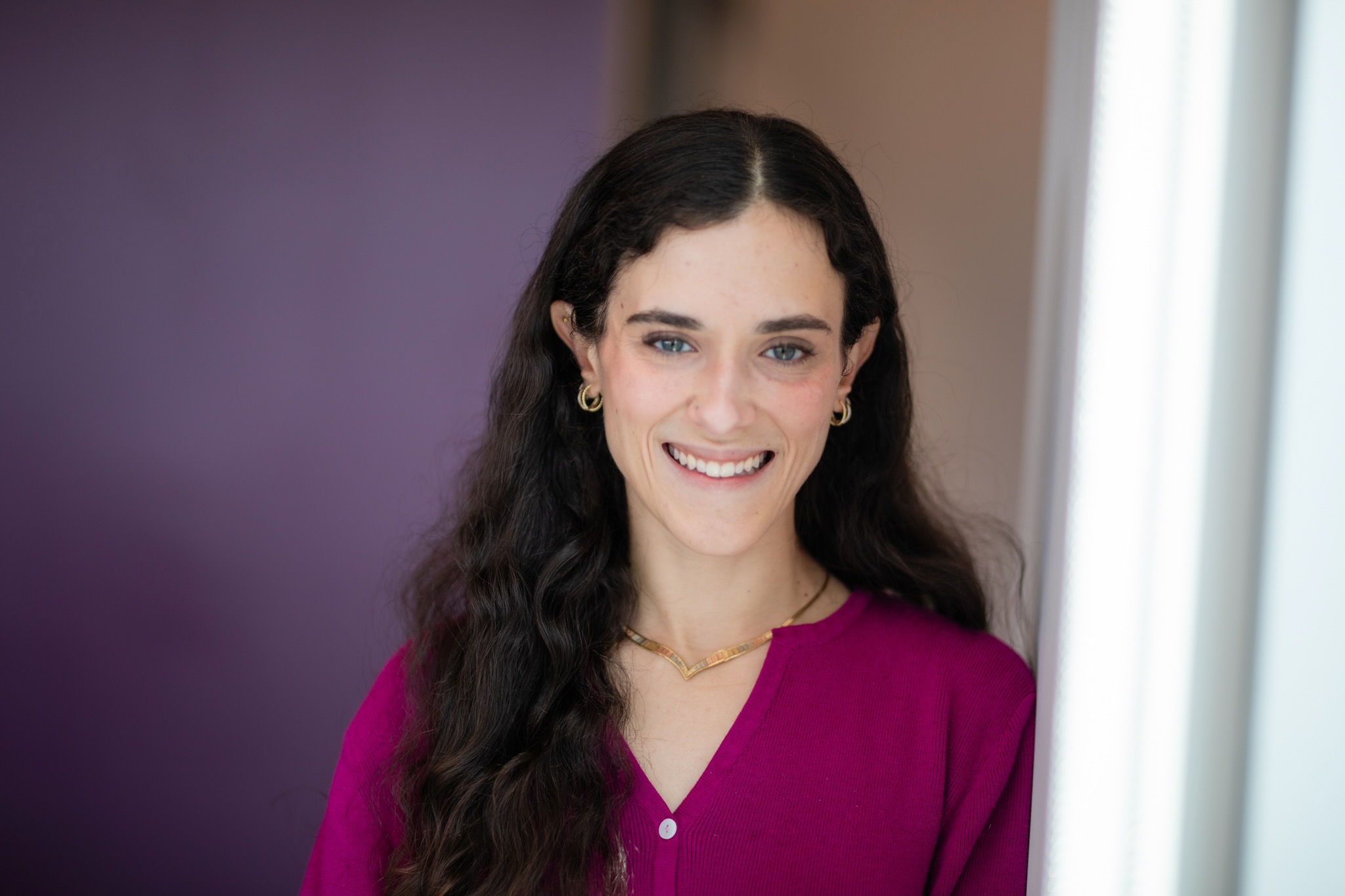
Margaret Webb
Cornell University
Webb is a Postdoctoral Fellow in Disciplinary-Based Education Research (DBER) at Cornell University. She earned her Ph.D. in Engineering Education research (EER) and M.S. in Civil Engineering from Virginia Tech, and her B.S. in Mechanical Engineering from Rice University. Before graduate school, she worked as an engineer at ExxonMobil and taught middle and high school math. Her research sits at the intersection of systems thinking and organizational change, identity, agency, and motivation in STEM graduate education — with a particular focus on how students, postdocs, and faculty develop interdisciplinary researcher identities and navigate complex educational ecosystems.
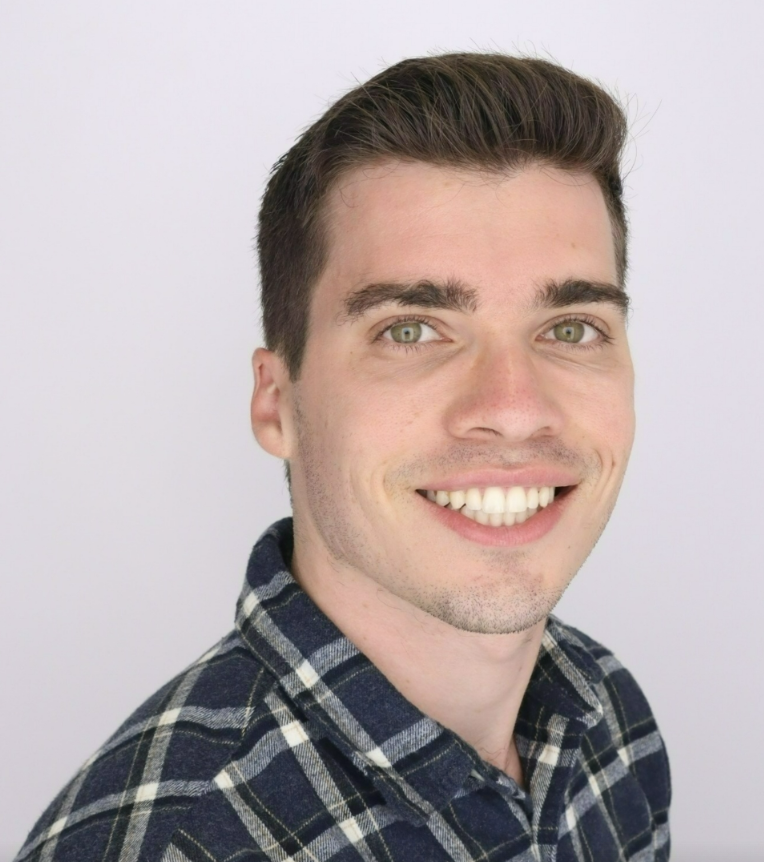
Austin Zuckerman
Cornell University
Austin is a Postdoctoral Fellow in Disciplinary-Based Education Research (DBER) at Cornell University. Following his undergraduate and graduate studies in biological sciences, Austin received his doctorate in Mathematics and Science Education. His dissertation focused on classroom and professionalization experiences at the intersection of biology and computing education, drawing from disciplinary and professional identity, sociocultural, and sociopolitical theories. His current work uses both qualitative and quantitative methods to investigate biology students' career thinking and skill perception across disciplinary laboratory courses and in the context of biosciences careers.
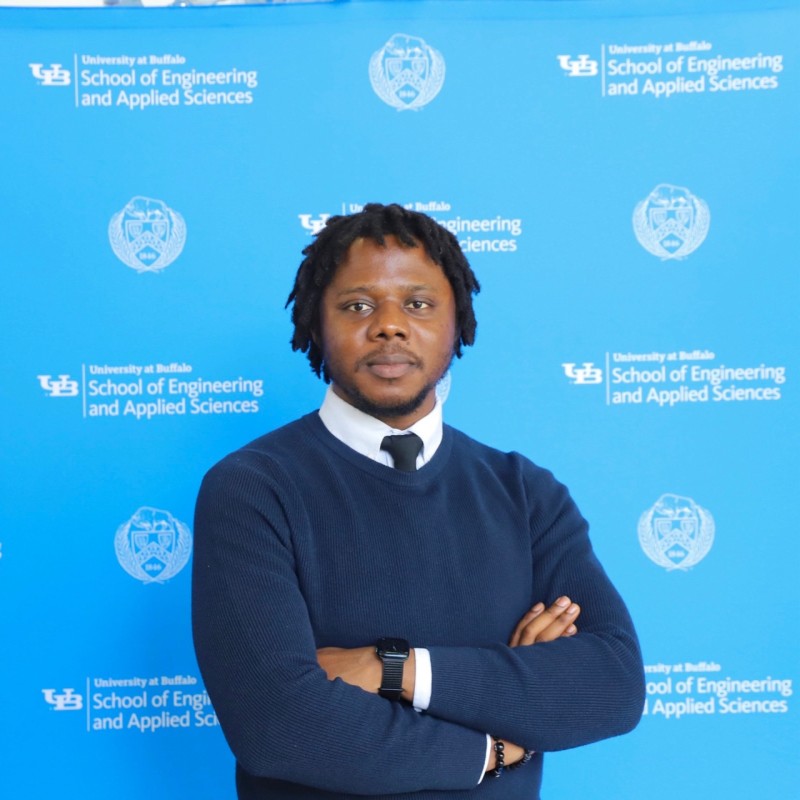
Collins Ugonna Lawrence
University at Buffalo
Collins Ugonna Lawrence is a Ph.D. student in Civil, Structural and Environmental Engineering at the University at Buffalo, where he also earned his Master's degrees in Civil Engineering and Engineering Education. His research spans sub-structured seismic testing of high-voltage substation equipment and engineering education, with a focus on student perspectives in civil engineering design courses. He was selected as the University at Buffalo commencement speaker for the Class of 2025.
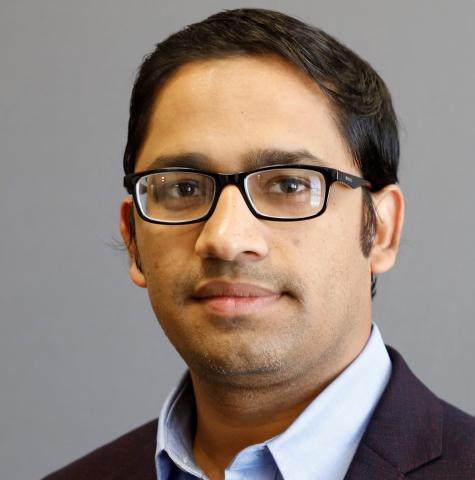
Masudul Imtiaz
Clarkson University
Associate Professor at Clarkson University, mostly teaching Embedded Systems, Senior Design, and Biometric Recognition Technology, and ML on Biomedical Signals.
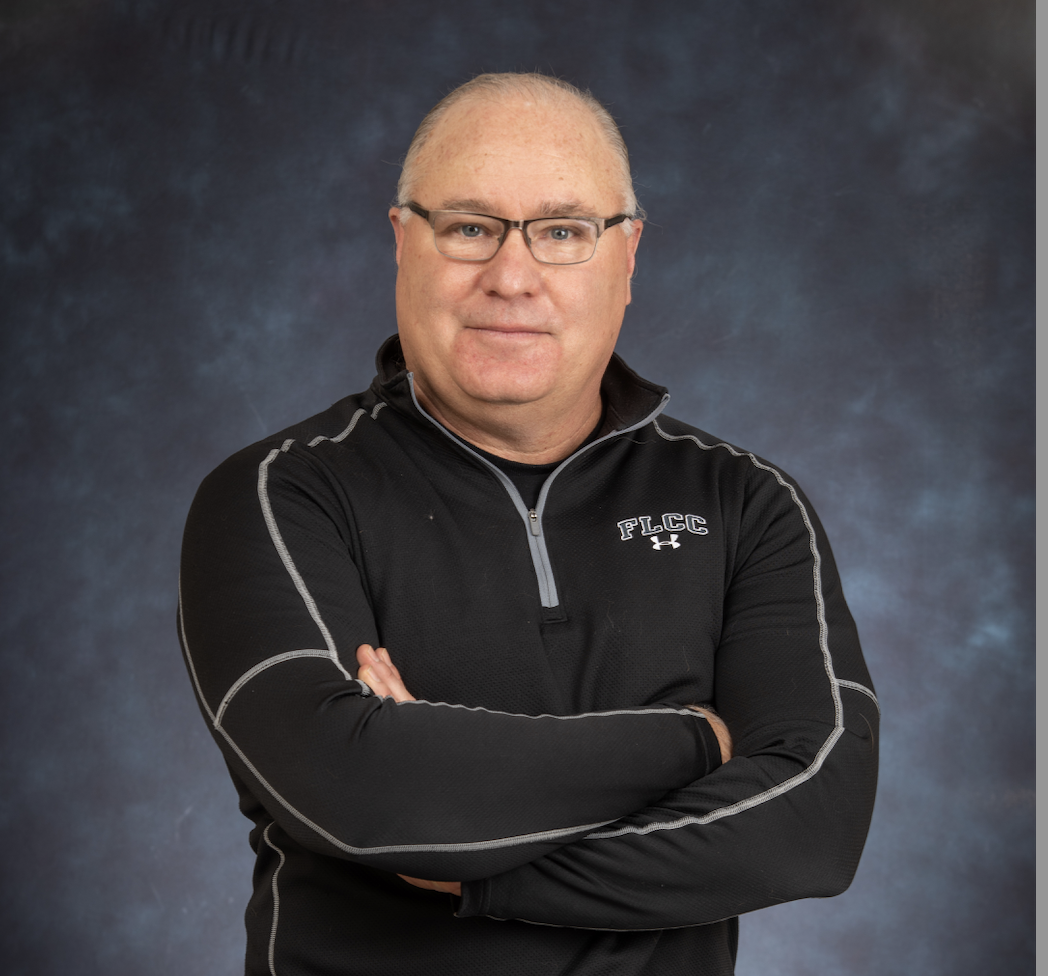
James Hewlett
Finger Lakes Community College
Professor Hewlett is Professor of Biology at Finger Lakes Community College. His research is focused on best practices for expanding opportunities for community college students to engage in undergraduate research experiences.
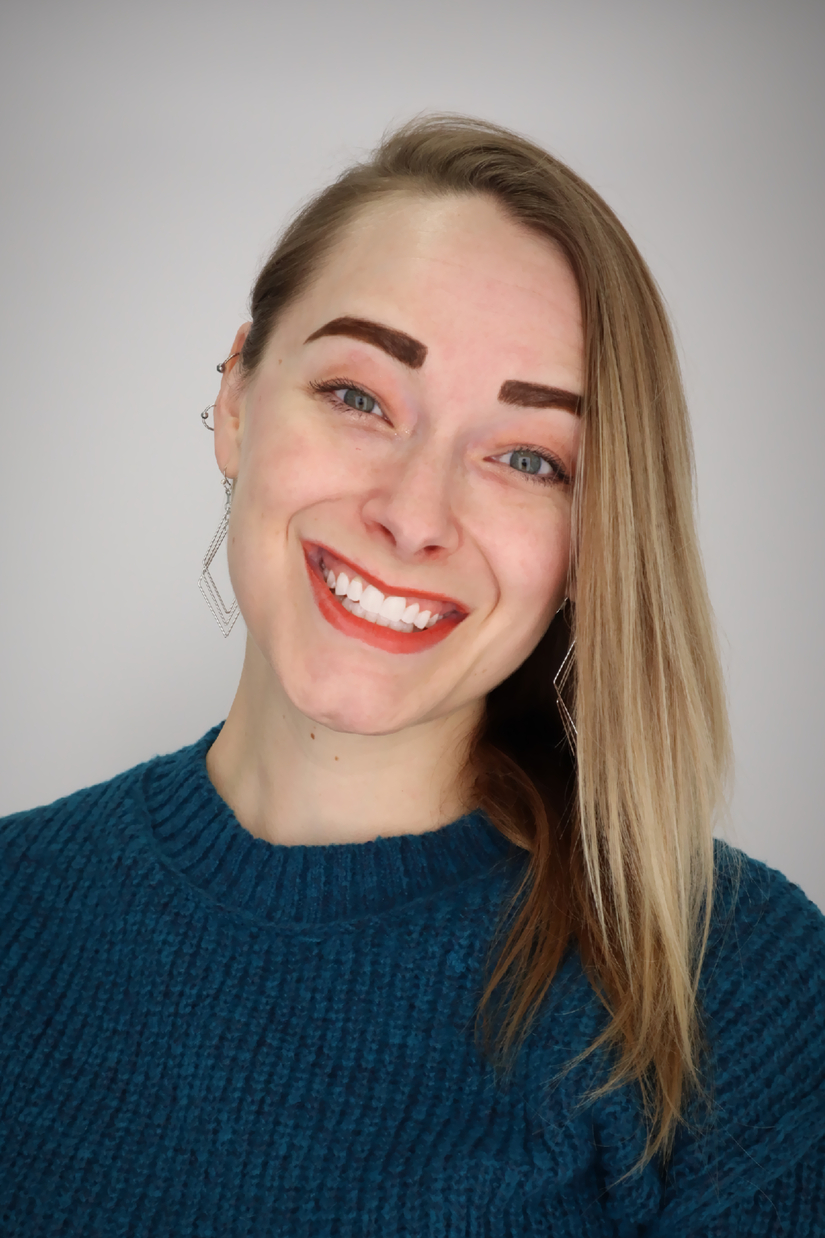
Ash Heim
Syracuse University
Ash is currently a faculty fellow in biology education research at Syracuse University. They received their PhD in Biological Education from the University of Northern Colorado in 2020 and finished a postdoc in biology education research at Cornell in 2024. Their current research focuses on the critical thinking of undergraduates in the STEM classroom, including how instructors operationalize critical thinking, as well as student success and retention in introductory STEM courses.
Duncan Mullins
University at Buffalo
Duncan describes himself as an avid teacher-educator who does research. He leverages qualitative inquiry (namely descriptive phenomenology) to investigate the epistemological and teaching beliefs of engineering graduate students intent on a faculty career, seeking to understand why engineering classrooms continue to perpetuate transmission learning. Duncan is also passionate about teaching and mentorship across a range of venues, from professional development with elementary teachers of multilingual students to engineering robotics summer camps.
Aaron Weinberg
Ithaca College
Aaron Weinberg has been teaching and conducting mathematics education research at Ithaca College for just over 20 years. His recent work includes the Calculus Videos Project, designing intellectual need-provoking tasks, and investigating students' disciplinary literacy practices.
Courtney Faber
University at Buffalo
Courtney Faber, Ph.D., is an Associate Professor of Engineering Education at the University at Buffalo. Her research focuses on empowering engineering education scholars to drive transformational change in engineering and on developing educational experiences that cultivate epistemic thinking. She uses innovative research methods to deeply investigate constructs such as epistemic thinking, identity, and agency. Dr. Faber holds a B.S. in Bioengineering and a Ph.D. in Engineering and Science Education from Clemson University, and a M.S. in Biomedical Engineering from Cornell University.
Colleen Countryman
Ithaca College
Colleen Countryman is an Associate Professor of Physics & Astronomy at Ithaca College with a Ph.D. in Physics Education Research from North Carolina State University. Her research focuses on the design, implementation, and assessment of educational technologies — including simulations, mobile apps, and instructional videos — to support student learning in introductory physics. She also mentors undergraduate researchers in PER and studies emerging technologies, equity, identity, and assessment in physics classrooms.
Kriz George
Rochester Institute of Technology
Kriz George is a PhD Physics student at Rochester Institute of Technology with current research in Engineering Education. He has previously studied first-year engineering students' use of resources in introductory calculus. His current research integrates and evaluates sustainability interventions in technical curriculum and characterizes first-year engineering students' teamwork experiences.
Siddharthsinh Jadeja
University at Buffalo
Siddharthsinh Jadeja is a Ph.D. candidate in Engineering Education at the University at Buffalo. With a foundation in mechanical engineering, his research focuses on AI in education and human-centered design.
Samuel Adedeji
University at Buffalo
Samuel Adedeji earned his first degree in Chemical Engineering from Ladoke Akintola University of Technology in Nigeria. He is currently pursuing both a master's in Computer Science and a doctorate in Engineering Education at the University at Buffalo. His research focuses on computer science education, with a particular interest in educational technology.
Macarena GomezdelaTorre Clavel
Binghamton University
Macarena is a second-year PhD student in Biology at Binghamton University with extensive experience in STEM education as both an instructor and researcher. Her research focuses on the impact of a whole-person development course on first-year college students, aiming to inform course design, instructional practices, and institutional decision-making to improve the first-year college experience.
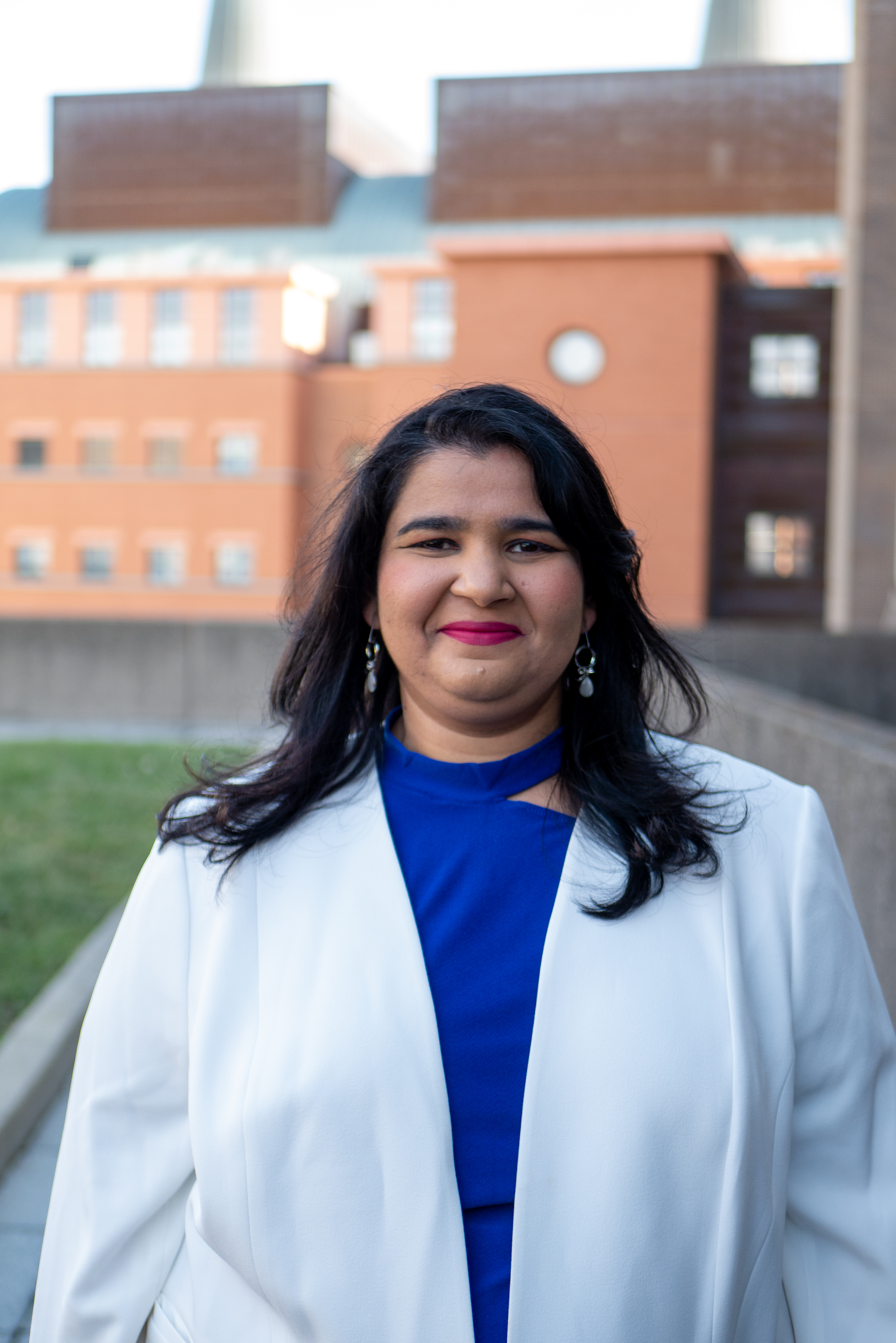
Jutshi Agarwal
University at Buffalo
Jutshi Agarwal is a Research Scientist with the Department of Engineering Education at the University at Buffalo, SUNY. Her research is focused on the teaching preparation of graduate students as future engineering faculty, agency of students in open-ended problems, teamwork in classrooms, and the professional development of K-12 teachers for teaching engineering design. She has expertise in applying soft-computing tools to solve problems in education and strives to identify, adopt, or adapt knowledge from different DBER literature to promote better preparedness and efficacy of educators in engineering at different levels.
.jpg)
Karissa Garbarini
University at Buffalo
Karissa Garbarini is a 4th year Neuroscience PhD student in Dr. Melissa McCartney's lab at the University at Buffalo. Her research focuses on promoting and retaining biology and biomedical science (BBS) students in the STEM workforce. She is interested in improving career development for undergraduate and graduate BBS students.
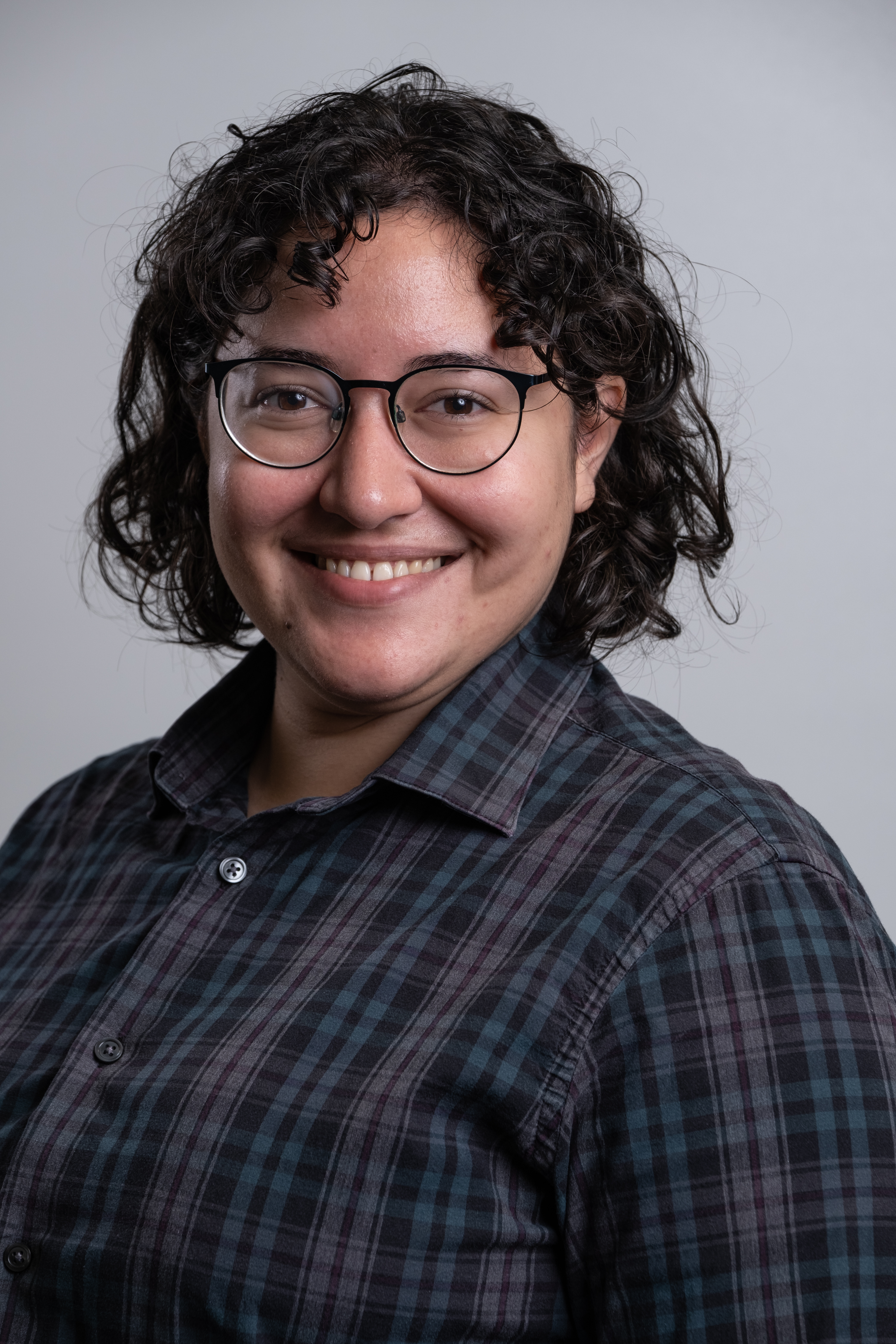
Doga Yucalan
University at Buffalo
Doga Yucalan is an Assistant Professor of Teaching in the Department of Engineering Education at SUNY Buffalo. They graduated from Cornell University with a PhD in Aerospace Engineering in 2022, and from Middle East Technical University with a B.Sc. in Electrical and Electronics Engineering and a B.Sc. in Physics in 2016. At SUNY Buffalo, they teach first- and second-year courses with an emphasis on improving students' problem solving, engineering design skills, and metacognition.
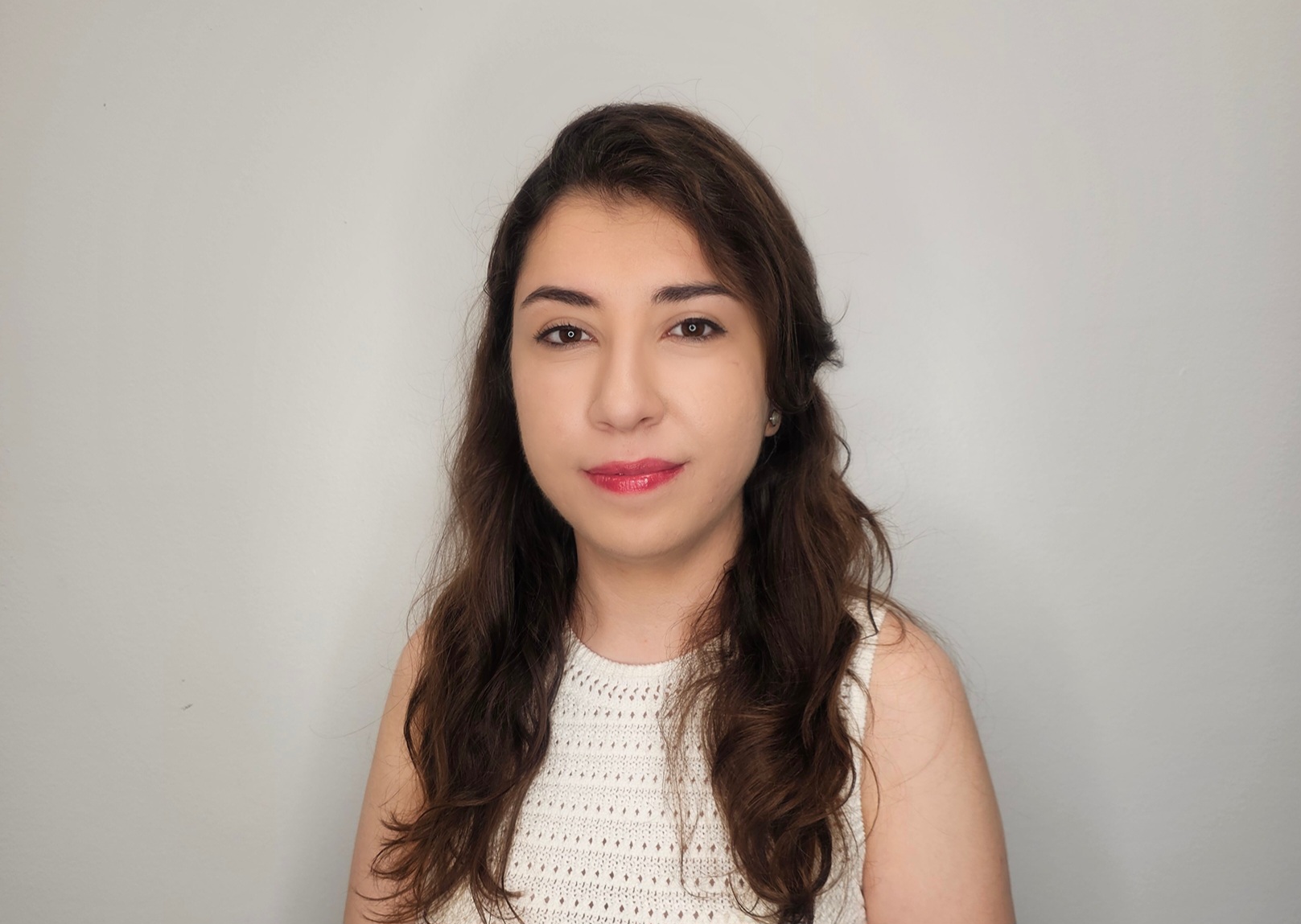
Sama Ghoreyshi
University at Buffalo
Sama Ghoreyshi's research focuses on developing tools, strategies, and instructional designs that enhance engineering students' problem-solving performance, especially in problem-based learning (PBL) contexts. Her work explores teaching, facilitation, and assessment of problem-solving processes and discourse. She also researches how reflection practices support engineering undergraduates as they transition from student to professional and develop engineering professional identity.
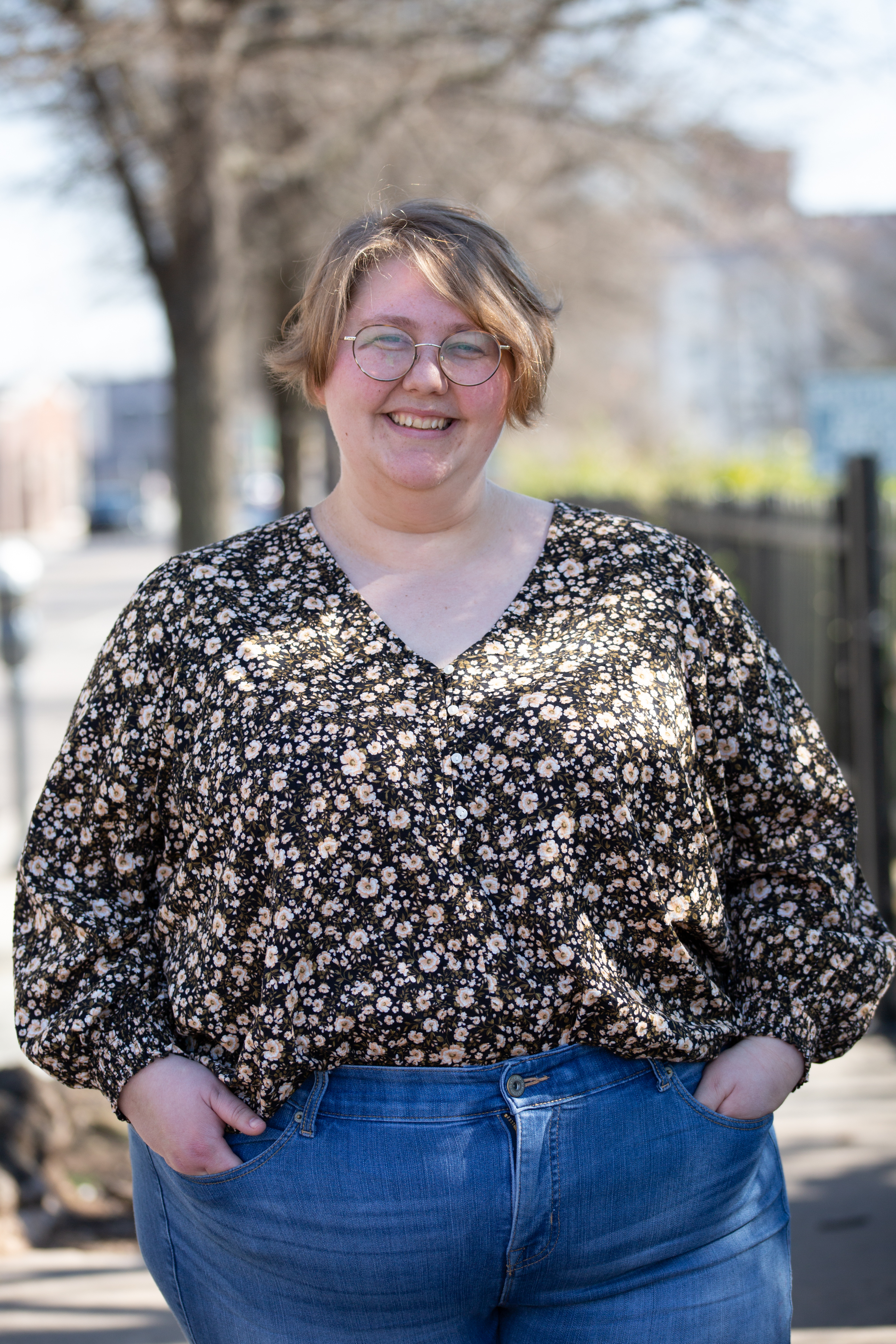
Lorna Treffert
University at Buffalo
Lorna Treffert is a 3rd year PhD Candidate in Engineering Education at the University at Buffalo. She holds both a BS and MS in Industrial and Systems Engineering from the University of Tennessee – Knoxville. Her research interests include exploring the factors which encourage intellectual risk taking in engineering and engineering education spaces.
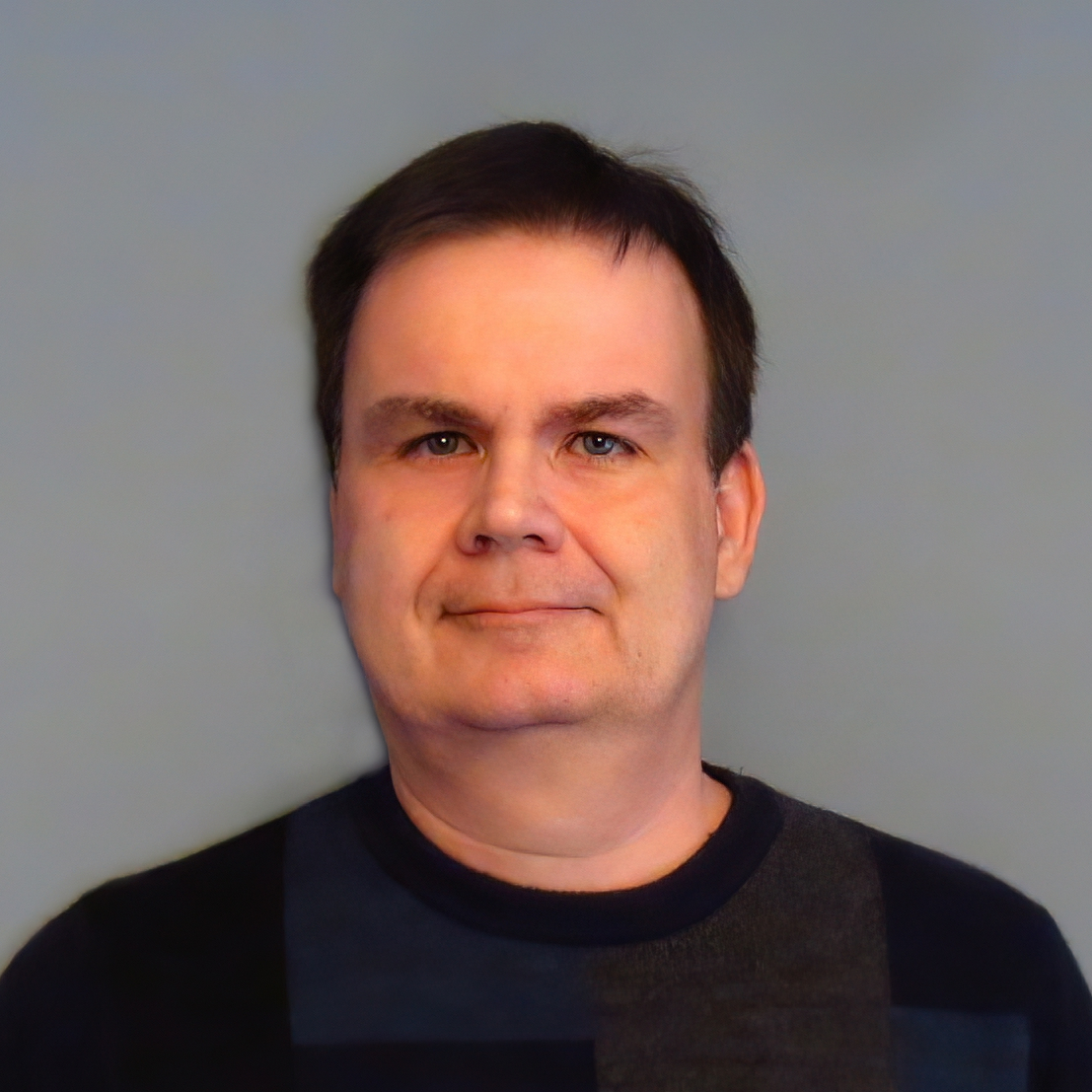
Ronald Hedden
Rensselaer Polytechnic Institute
Dr. Ronald C. Hedden is a Professor of Practice in the Department of Chemical and Biological Engineering at RPI. He obtained his Ph.D. in Chemical Engineering at Cornell in 2000. His research interests encompass polymers and materials science as well as virtual reality applications in engineering education, with a particular interest in AI usage and policy in STEM laboratory courses.
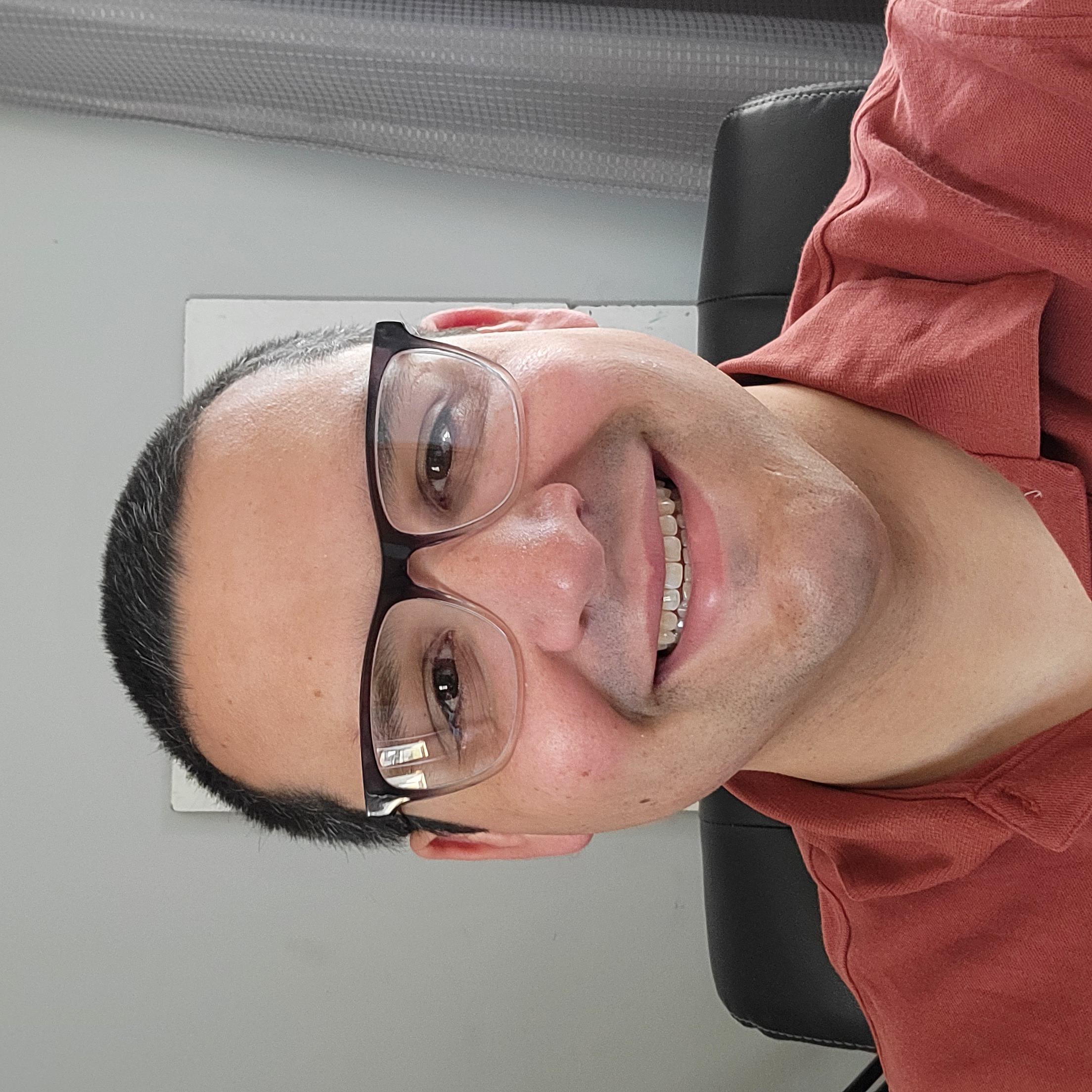
Kevin Coldren
Rochester Institute of Technology
Kevin Coldren has been teaching physics at the high school and undergraduate levels for over 10 years and is currently pursuing his Ph.D. in physics at RIT. His research focuses on the field of graduate physics education under the guidance of Dr. Diana Sachmpazidi.
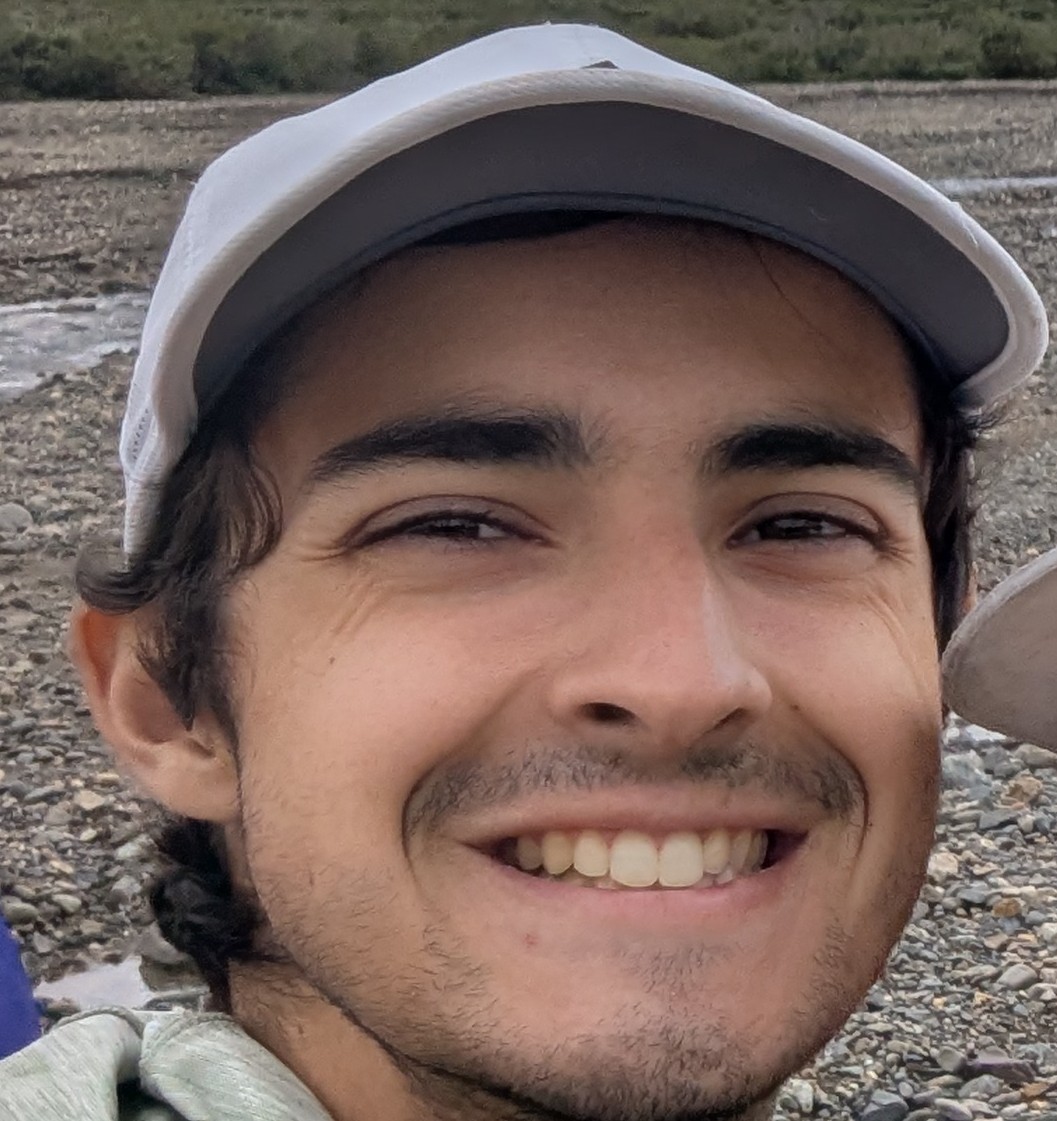
Mateo Cacheiro
Rochester Institute of Technology
Mateo Cacheiro is a first year Physics PhD student at RIT doing physics education research. Prior to graduate school he worked as an REU student on two PER projects. His current work is focused on the quantum workforce, with broad interests in the use of representations within and outside of physics.
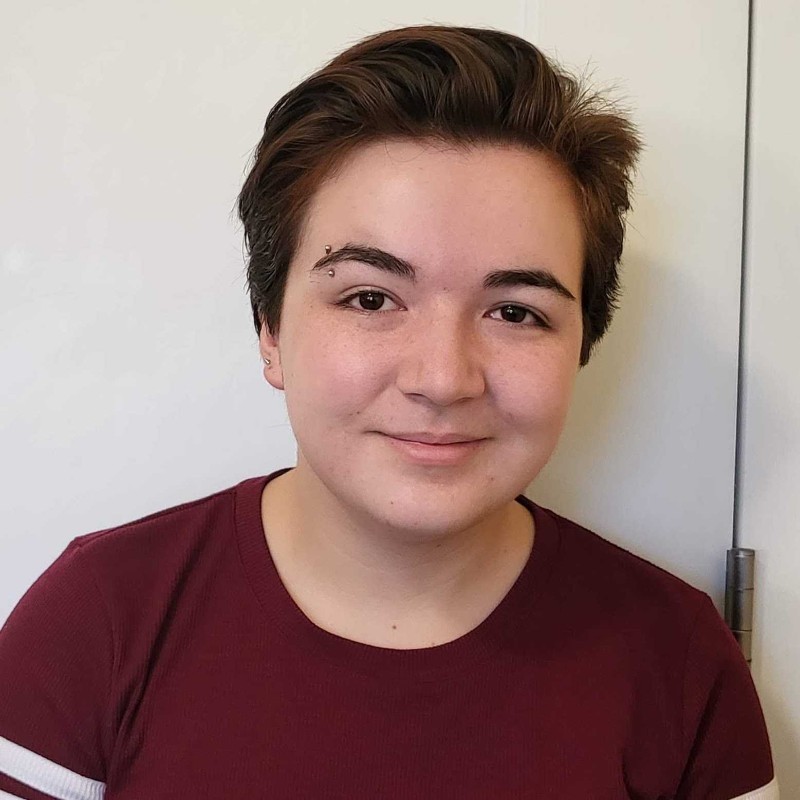
Abby Lupi
Rochester Institute of Technology
Abby Lupi is a master's student at RIT's School of Individualized Study specializing in Public Interest Technology. Their research focuses on engaging students to prototype discipline-based AI use policy in higher education. Outside of school, they are the Research Manager at CareerVillage, a nonprofit focused on economic mobility and expanding access to quality career guidance.
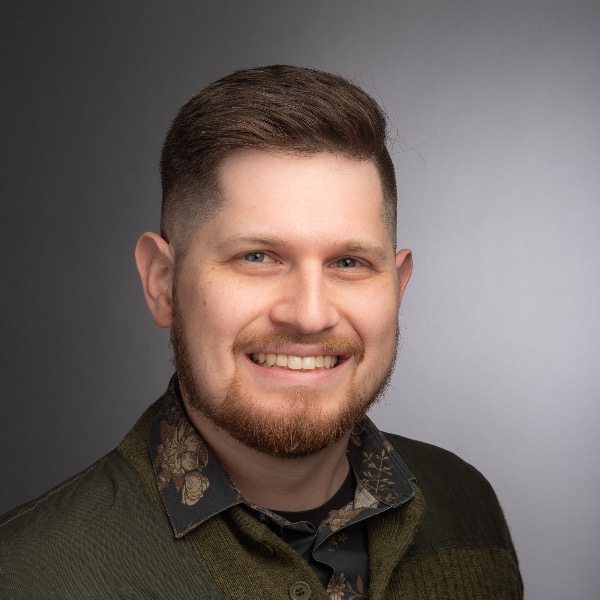
Jeffrey Stransky
Rochester Institute of Technology
Jeffrey Stransky, PhD is an Assistant Professor in the Manufacturing and Mechanical Engineering Technology Department at the Rochester Institute of Technology. He holds a PhD in Engineering Education and MS in Mechanical Engineering from Rowan University. His research interests include engineering ethics, use of educational simulations and games, and statistical modeling.
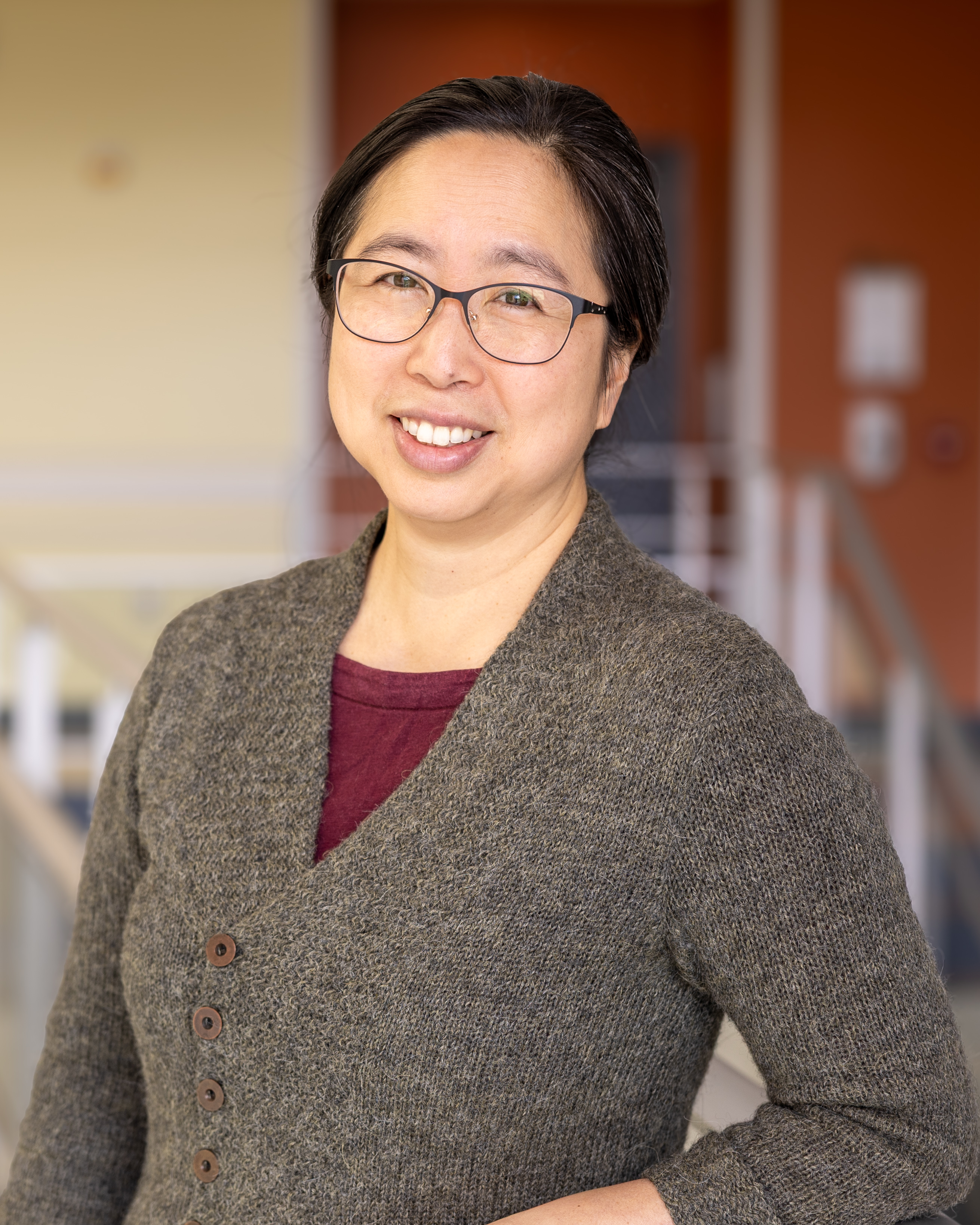
Suann Yang
SUNY Geneseo
Suann Yang is an Associate Professor of Biology at SUNY Geneseo interested in the effectiveness of inclusive teaching practices, faculty professional development, and culture change in response to adopting new practices or curricula. She is the PI of the NSF-funded Biologists and Graph Interpretation (BioGraphI) project, a professional development network of faculty who develop and implement curricula featuring counter-stereotypical scientists and data literacy skills.
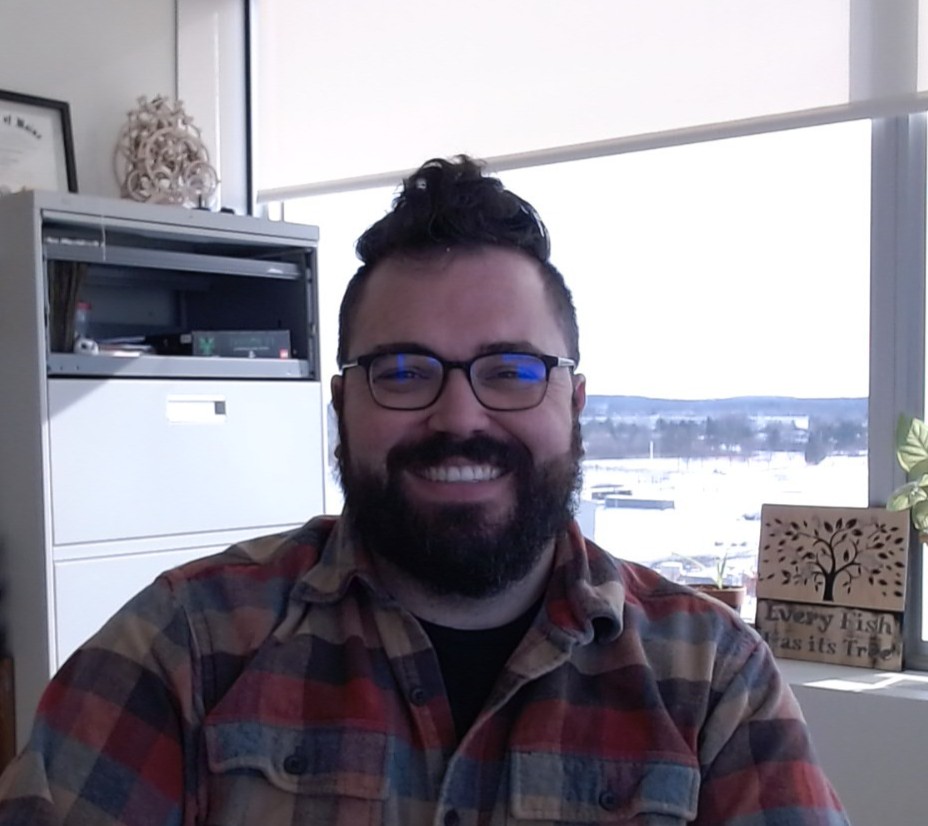
Benjamin Schermerhorn
Monroe Community College
Benjamin Schermerhorn is Department Chair in Engineering Science and Physics at Monroe Community College, where he has taught physics and mechanical engineering courses for the past 5 years. Prior to MCC, Ben studied student understanding at the mathematics-physics interface. In recent years, he has explored the impact of equitable grading on student success and led numerous professional development opportunities. Ben and his colleague Amanda Colosimo host a podcast on teaching in higher education called “Coffee Break Classroom: Brewed for Higher Ed.”
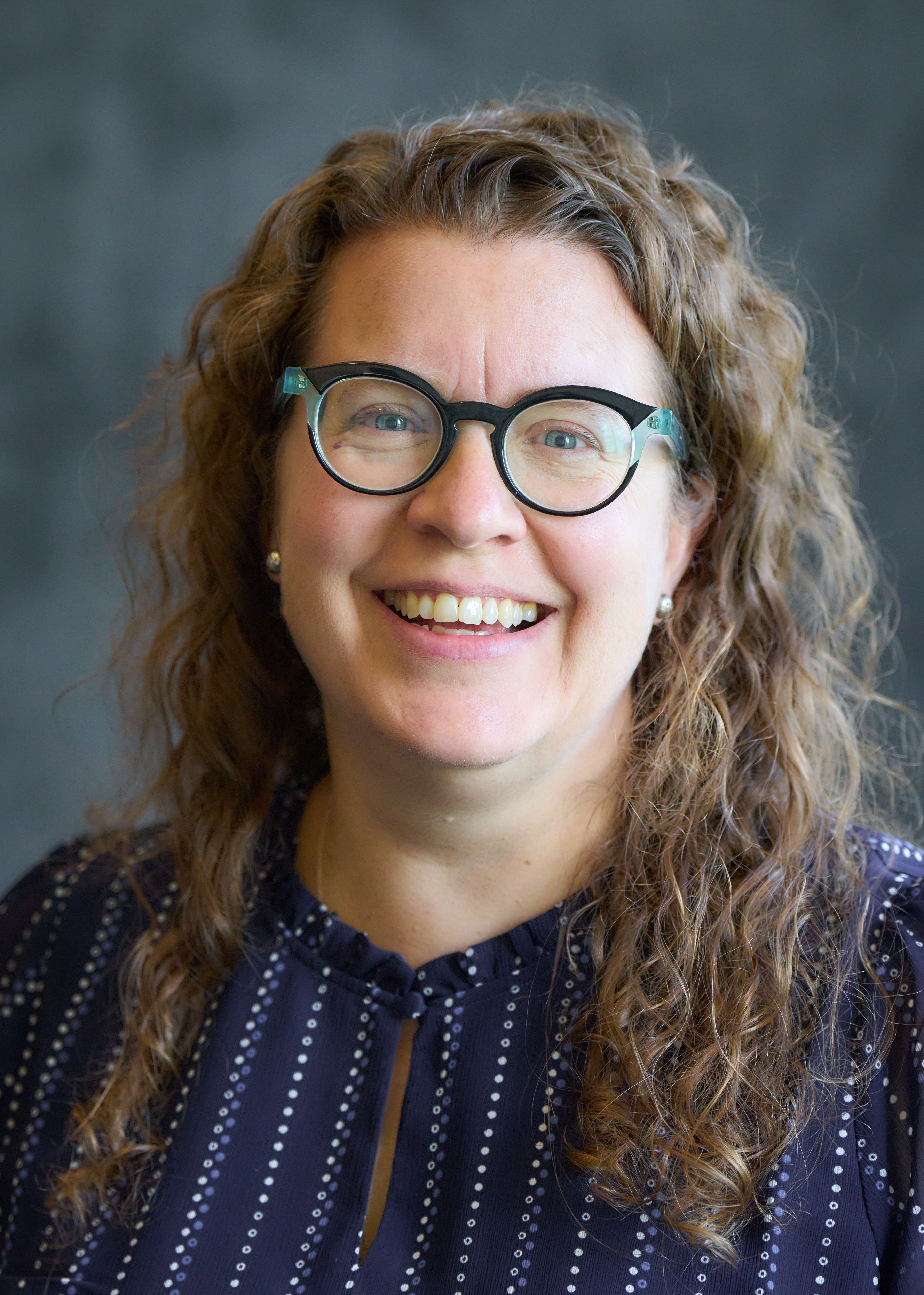
Heather Coleman
Syracuse University
Heather Coleman is an Associate Professor at Syracuse University. She is the Director of the Bio Peer Mentoring Program and the Bio Distinction Program and is interested in understanding how extra-curricular programs impact student success and outcomes.
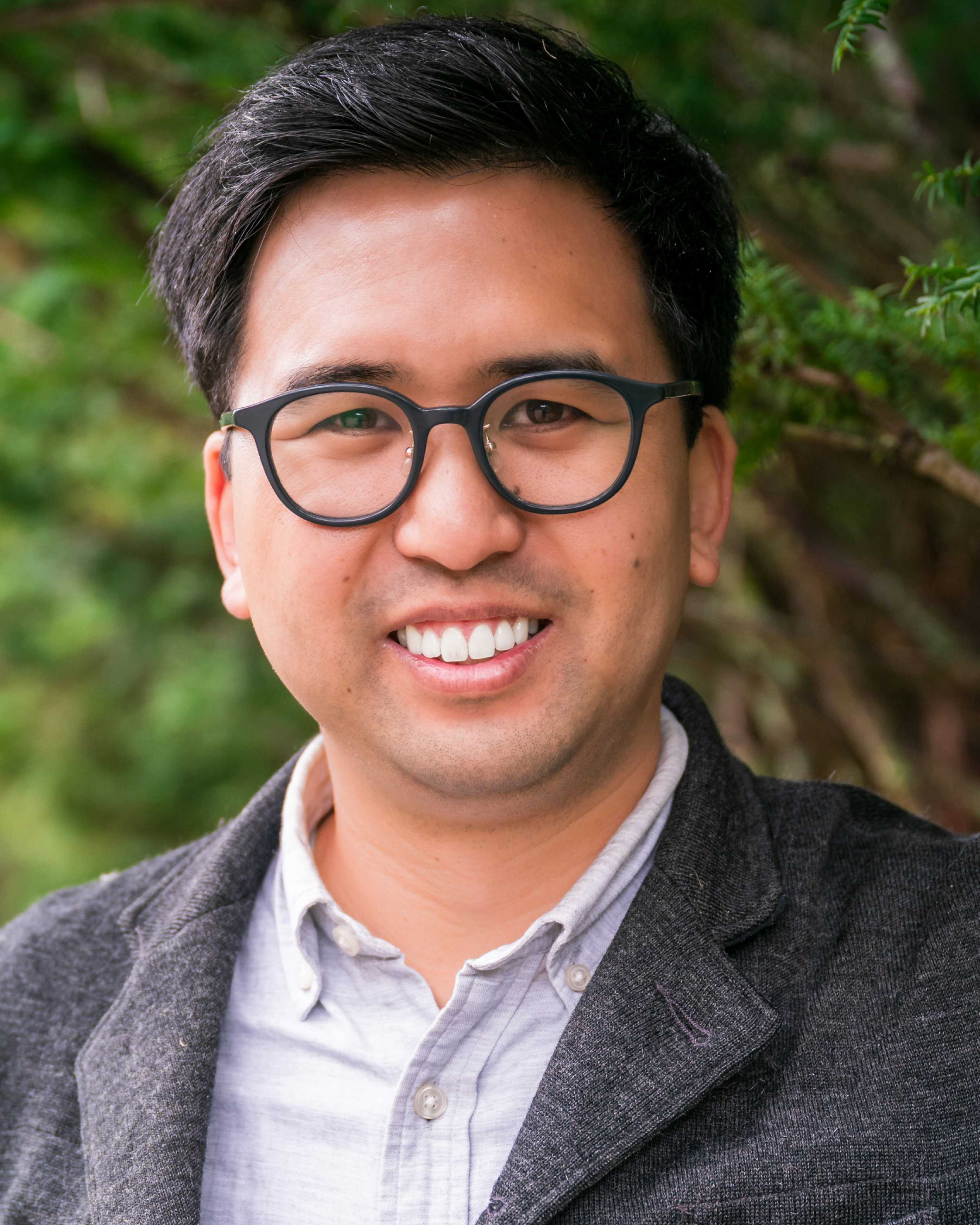
Christopher Chen
Columbia University
Christopher V.H.-H. Chen, Ph.D., is a Lecturer in Chemical Engineering at Columbia University. He completed his PhD in Chemical and Biological Engineering at Princeton University and an MBA at Columbia Business School. His teaching and research interests include case- and problem-based approaches to STEM teaching, improving critical thinking with educational technology including AI, integrating sustainability into engineering training, and preparing graduate students as future leaders.
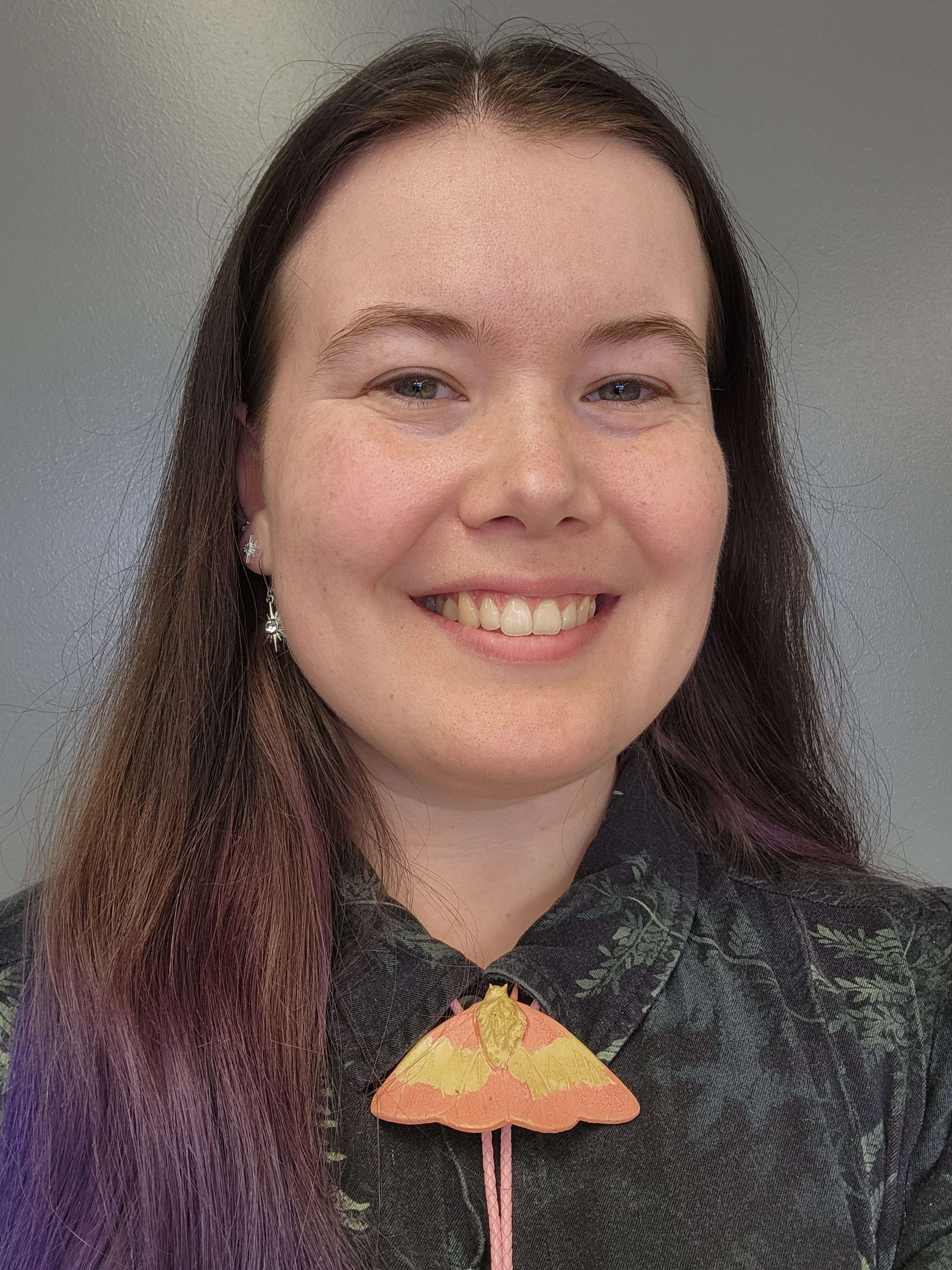
Carolyn Graham
University at Buffalo
Carolyn Graham is an evolutionary biologist and biology education researcher devoted to enhancing evolutionary literacy through the development and testing of socially-conscious teaching materials in undergraduate classrooms. As a postdoc with Robin Costello at the University at Buffalo, she studies the efficacy of science role models in classrooms for increasing diversity and belonging in STEM and for preparing students to deal with unexpected research outcomes. She received her PhD from the University of Michigan in 2025.

Dina Newman
Rochester Institute of Technology
Dina L. Newman, Ph.D., is a Professor in the Thomas H. Gosnell School of Life Sciences and Director of the Center for Advancing Scholarship to Transform Learning (CASTLE) at Rochester Institute of Technology. Her work focuses on biology education research, particularly understanding student thinking in molecular genetics and developing innovative, evidence-based teaching strategies to improve learning.
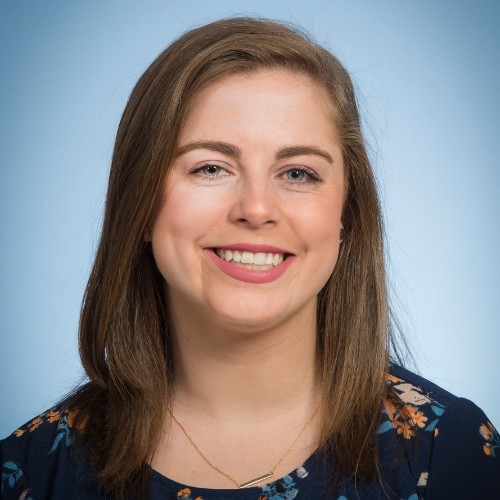
Connor Ferguson
University at Buffalo
Connor Ferguson, PhD, is a Postdoctoral Associate at the University at Buffalo. She earned her PhD in Higher Education with a specialization in college student development and a cognate minor in curriculum and instructional design. Dr. Ferguson's research focuses on the professional development and student success of undergraduate and graduate students in the STEM disciplines.
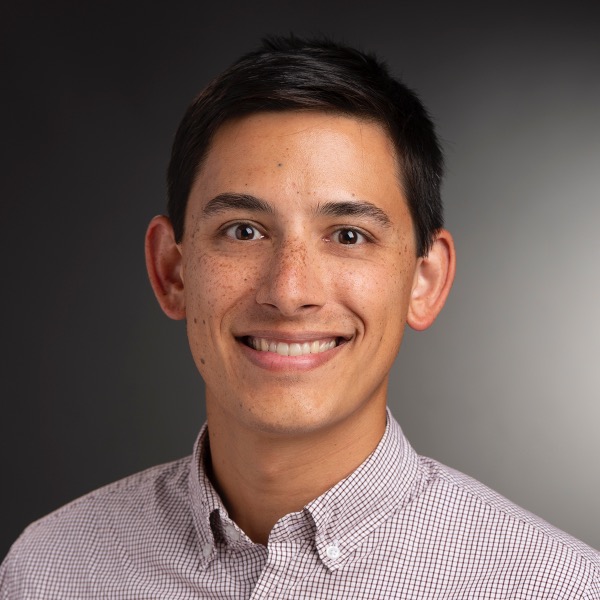
Tony Wong
Rochester Institute of Technology
Tony Wong's background in math, climate modeling, and teaching computer science led him to develop education research interests in computational literacy in STEM and educational data science. As the director of RIT's Learning Assistant Program, Tony studies how course supports and factors like financial stress influence student success in terms of both grades and affect.
Mary McMullan
Rochester Institute of Technology
Mary McMullan is a fourth-year graduate student conducting physics education research in the computational domain at RIT. Her work focuses on two projects: investigating the impacts of generative AI on introductory physics learning, and incorporating large language models into qualitative research methods. She has a passion for education and mentoring, particularly supporting reform in higher education to promote accessibility and access.
Ben Zwickl
Rochester Institute of Technology
Ben Zwickl is Associate Head and Professor in the RIT School of Physics and Astronomy. His research focuses on post-bachelor's career interests and outcomes and how the undergraduate curriculum prepares students for the next step. He is actively working on projects related to quantum technology education, quantum workforce development, AI tools for qualitative data analysis, and physics majors' career interest formation.
Ashish Agrawal
Rochester Institute of Technology
Ashish Agrawal is an Assistant Professor in the College of Engineering Technology at Rochester Institute of Technology. His research interests include exploring the design of engineering curricula and pedagogical practices and studying their influence on student and faculty experiences. He has taught several introductory engineering courses using student-centric approaches such as project-based learning and flipped classroom.
Andi Piña
Rochester Institute of Technology
Andi Piña is a postdoctoral research associate in the School of Physics and Astronomy at Rochester Institute of Technology. Their current work focuses on assessing the landscape of quantum information science and engineering coursework and the extent to which it prepares students for roles in industry. They have previously studied student reasoning at the interface of mathematics and physics education in quantum mechanical contexts.
Mike Verostek
Cornell University
Mike Verostek is a physics education researcher at Cornell working on introductory physics labs. His previous work centered around different aspects of physics graduate education.
Mitchell Gerhardt
Virginia Tech
Mitch Gerhardt is a third-year Ph.D. candidate in Engineering Education at Virginia Tech and simultaneous master's student in Computer Science, currently visiting Cornell. He earned his B.S. in Electrical Engineering from Virginia Tech and worked as a software engineer at General Motors before returning to graduate school. His research focuses on engineering expertise and generative artificial intelligence (GAI), including how engineers adopt and integrate GAI tools in practice and the implications for engineering education.
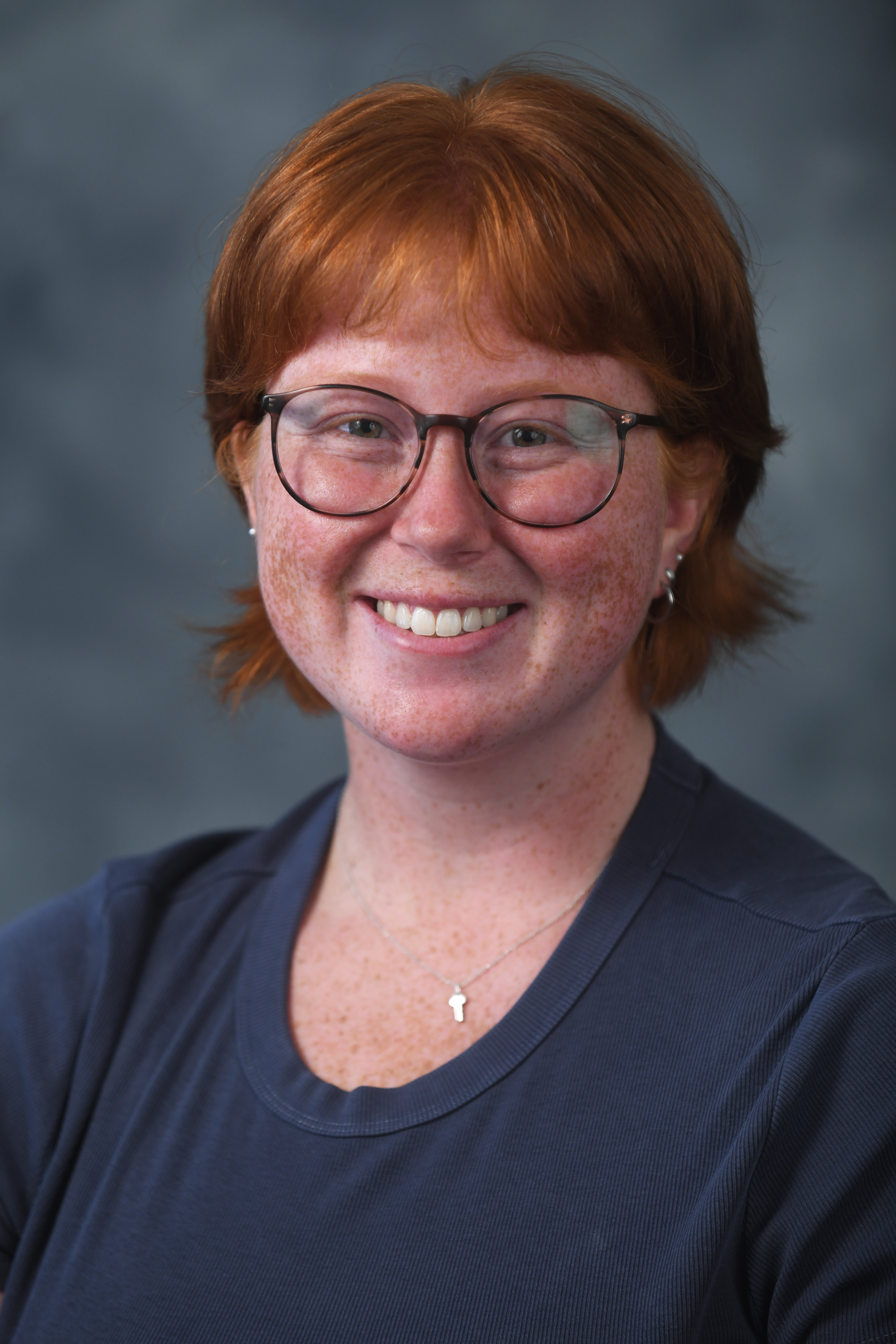
Katharine Getz
Cornell University
Katharine Getz is a PhD student at Cornell University in Chemical and Biomedical Engineering. She earned her Bachelor's in Chemical Engineering at Penn State University with a minor in Sexuality and Gender Studies. She works in the STRIDE Lab with Dr. Allison Godwin to examine the role of messaging in shaping students' engineering identities in the context of a departmental change project.
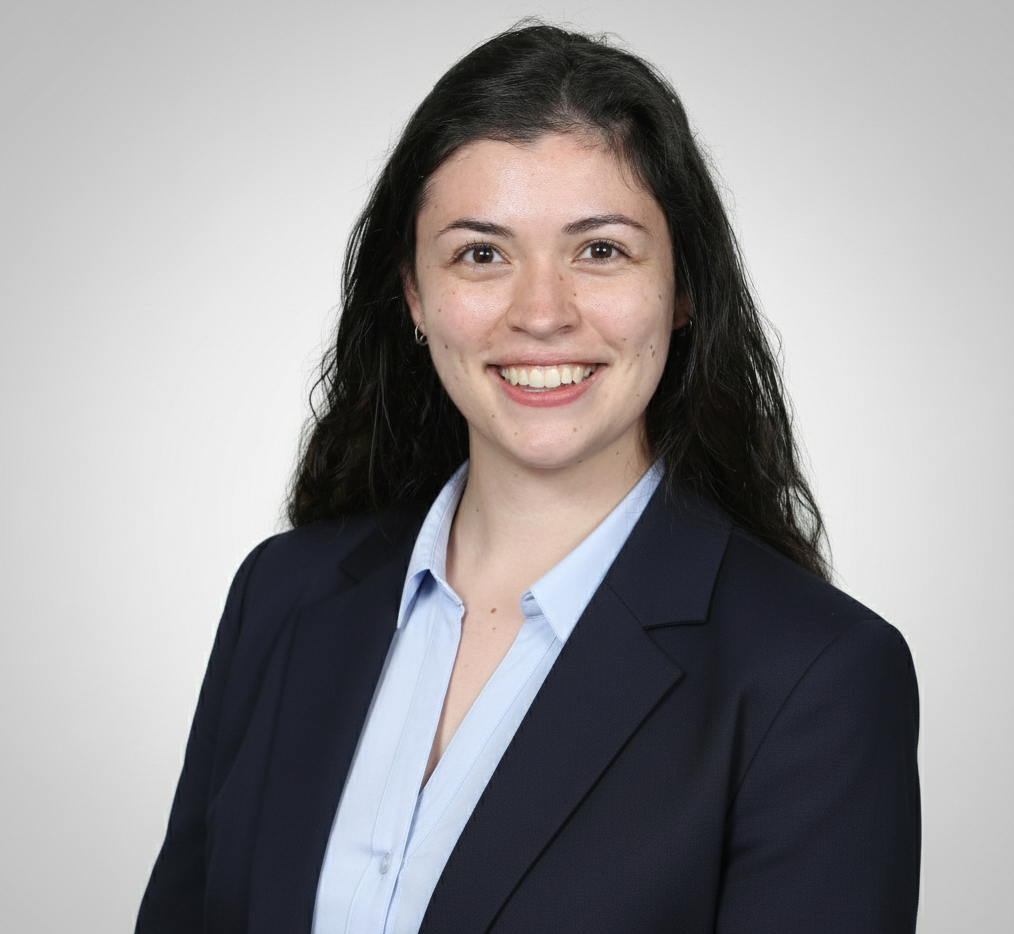
Stephanie Fuchs
Cornell University
Stephanie Fuchs is an Active Learning Initiatives Postdoctoral Fellow at the Meinig School of Biomedical Engineering at Cornell University. Her research focuses on the implementation of studio pedagogy in biomedical engineering classrooms and investigating the impact of studios on student learning, engagement, and motivation.
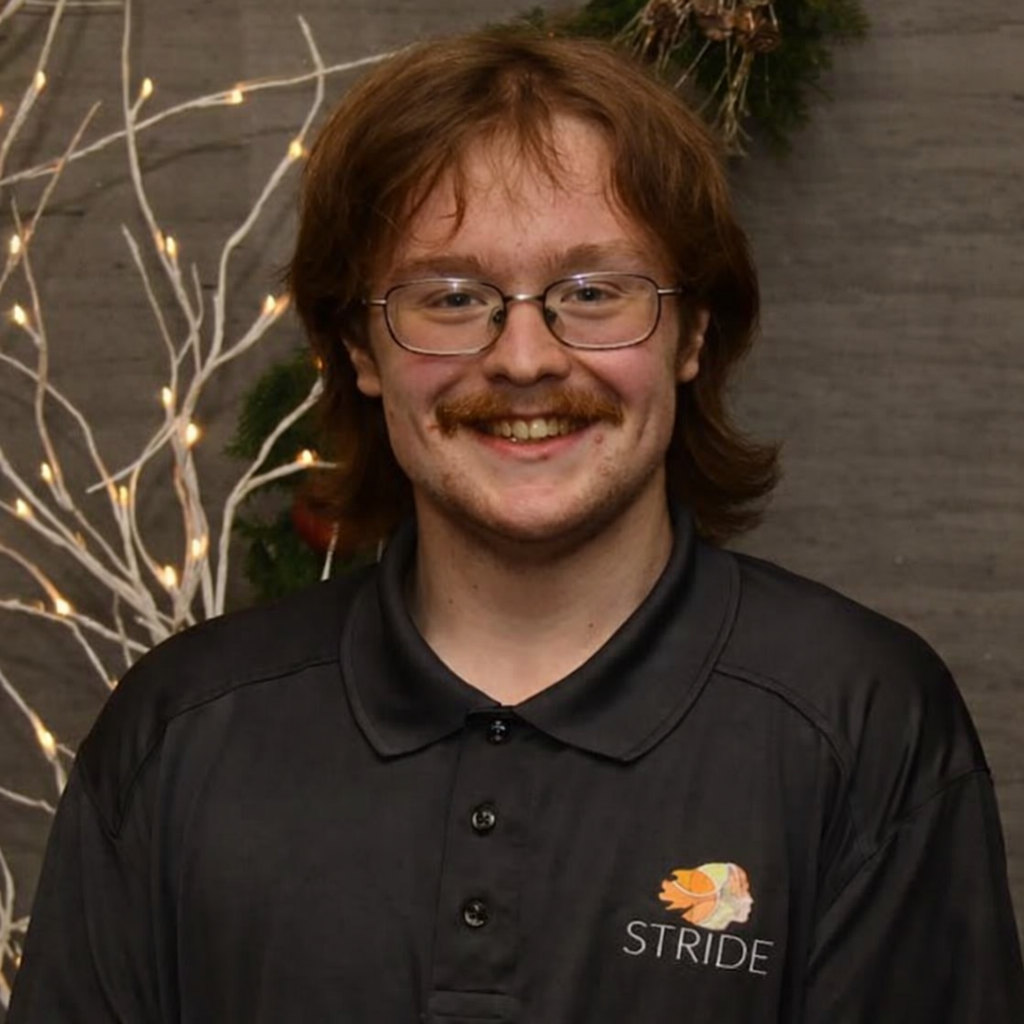
Spencer Sabatino
Cornell University
Spencer Sabatino is a PhD candidate in the STRIDE Lab at Cornell University. Using mixed-methods research, he investigates student expectations in engineering — particularly beliefs about smartness and failure. His quantitative work includes Gaussian Mixture Modeling (GMM) and survey development.
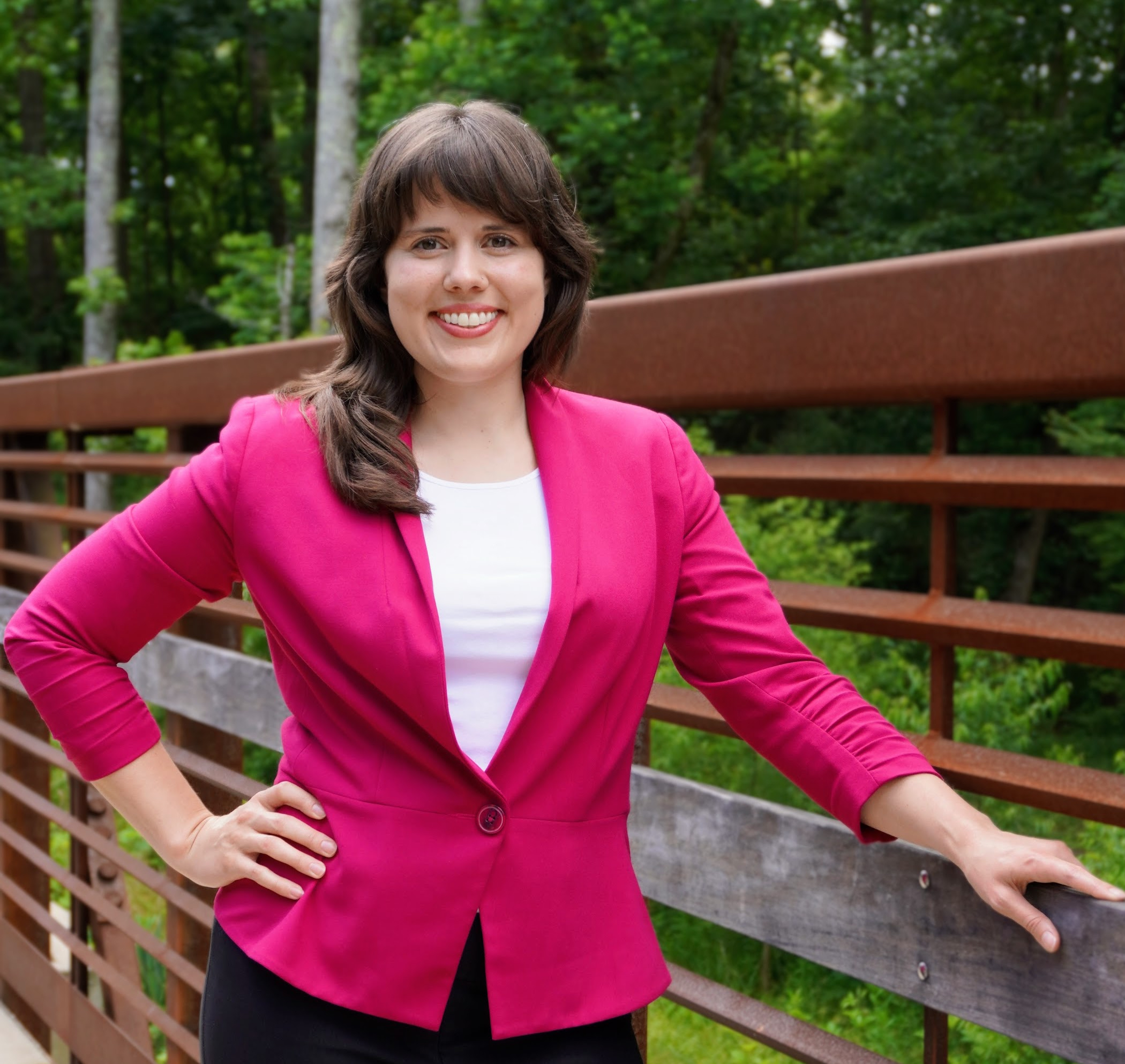
Mariel Pfeifer
Cornell University
Mariel Pfeifer is an Assistant Professor of Horticulture in the School of Integrative Plant Science at Cornell University. She leads the EQUIP Lab (Equity-Centered Instruction and Practice), which studies topics related to access for disabled people in STEM, with a focus on universal design, self-advocacy, and inclusive instructional practices.
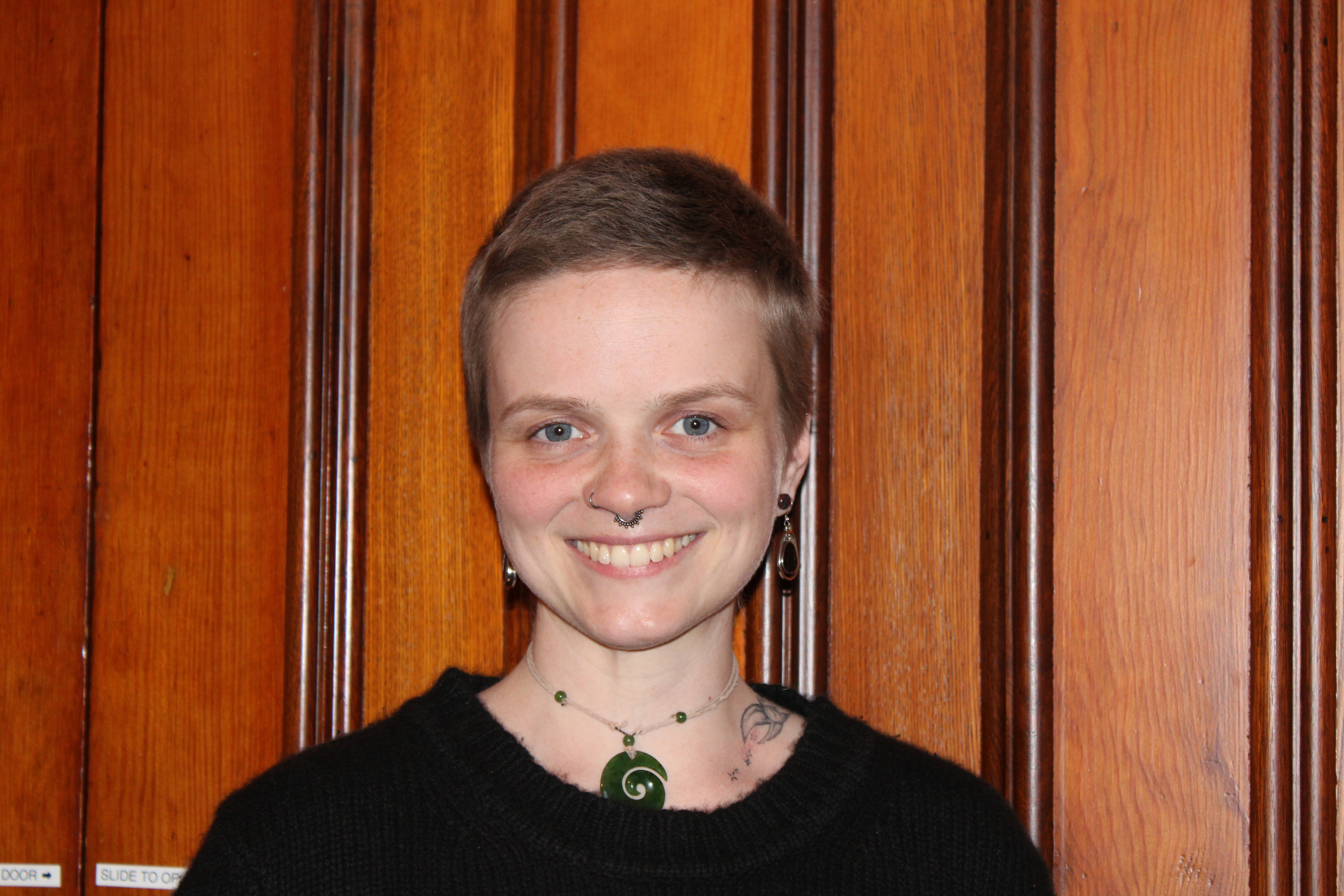
Olive Ross
Cornell University
Olive Ross is a fifth-year graduate student working with Natasha Holmes at Cornell University. She uses quantitative methods to look across institutions and STEM fields for patterns in successful undergraduate STEM education. Her current work focuses on active learning and student questions.
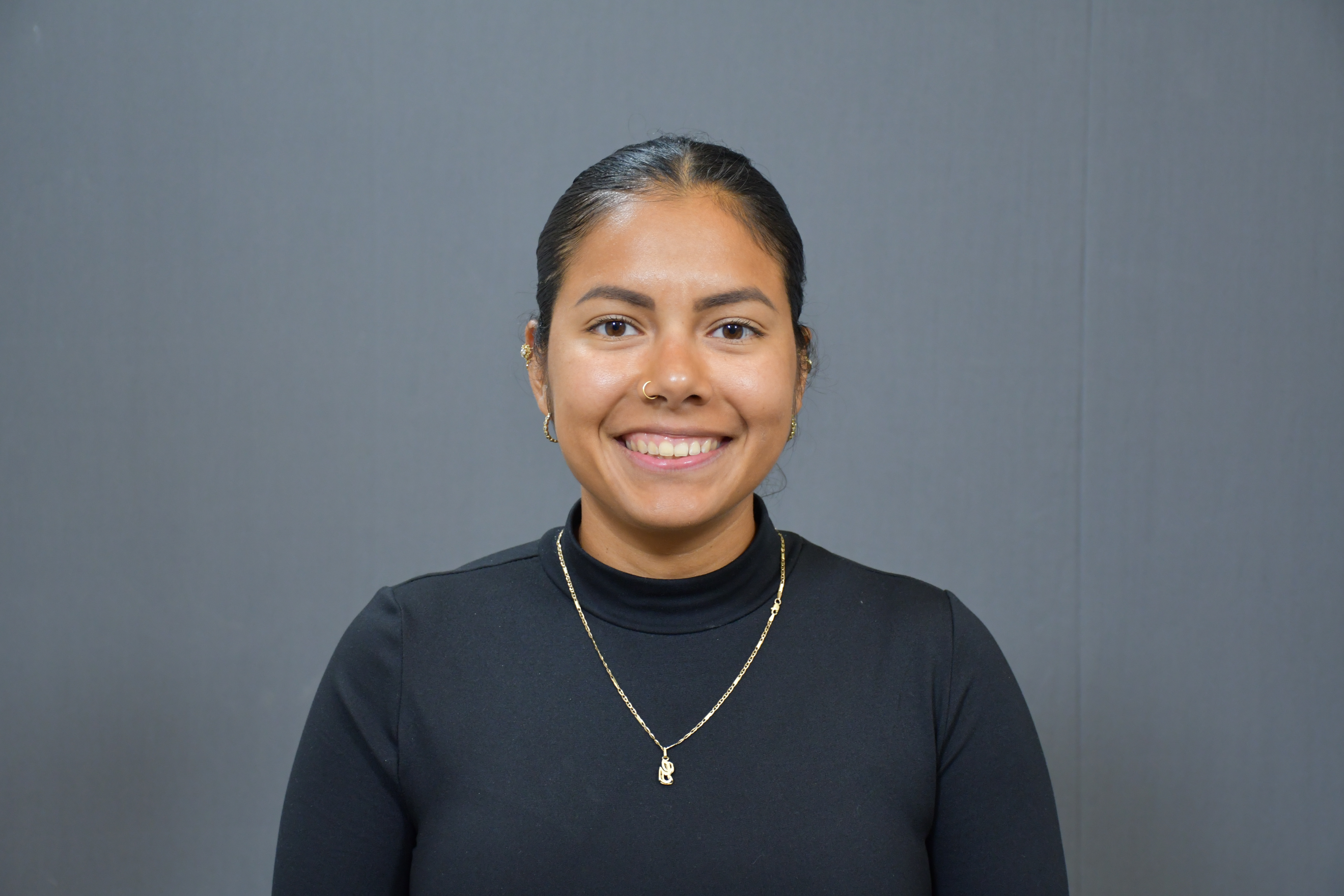
Gala Campos Oaxaca
Cornell University
Gala Campos Oaxaca is a Postdoctoral Researcher at Cornell University working with the REDES group. She holds a Ph.D. in Educational Psychology from Pennsylvania State University. Her research focuses on doctoral supervision, engineering research writing, and knowledge brokering in engineering doctoral training.
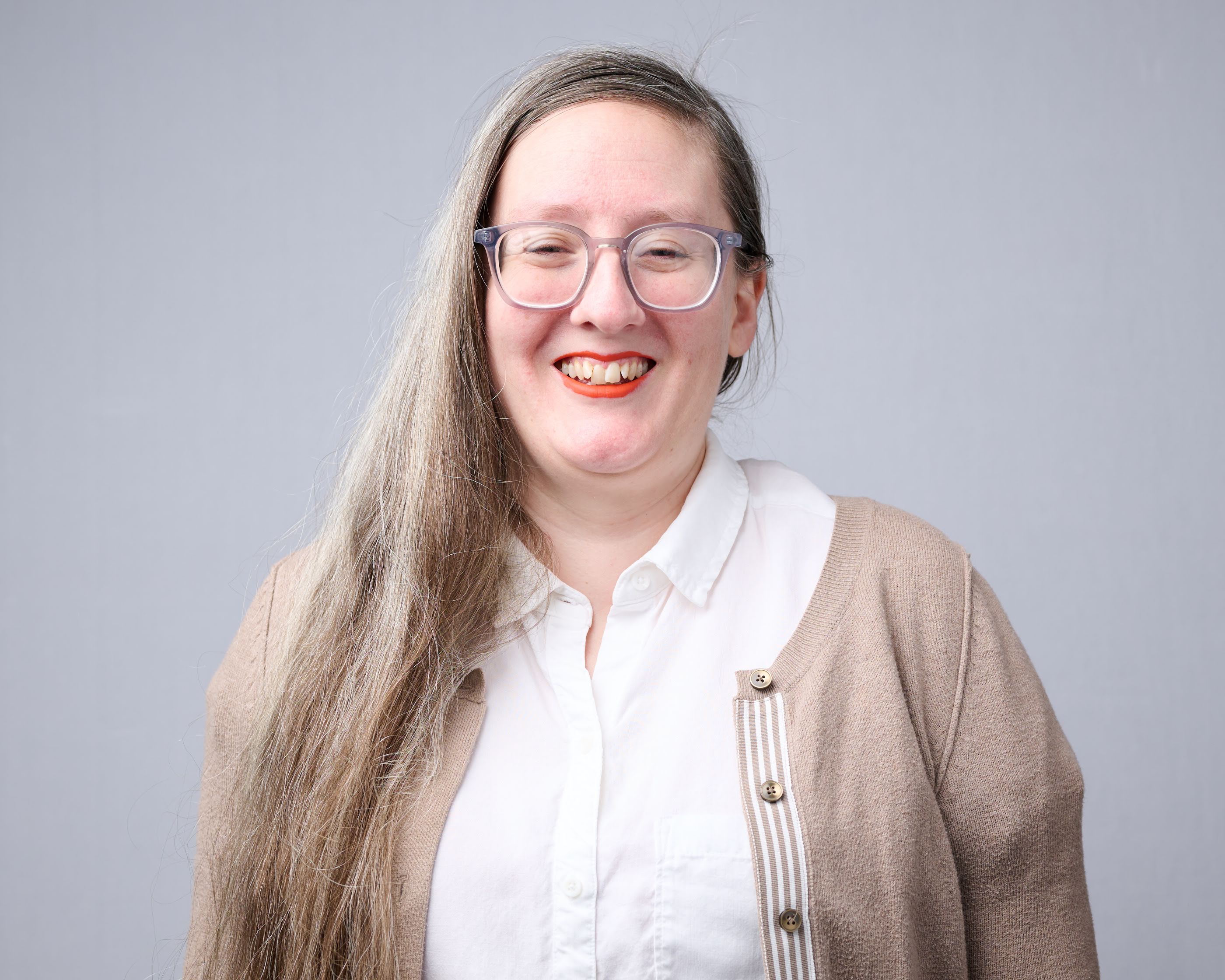
Rachel Merrill
Cornell University
Rachel Merrill is a second-year PhD student in Physics at Cornell University working under Professor Natasha Holmes in the CPERL lab. Her past work has focused on empathy in physics faculty and self-efficacy in undergraduate physics lab students. Her current work explores how instruction shapes student understanding of measurement uncertainty in both introductory lab courses and quantum mechanics contexts.
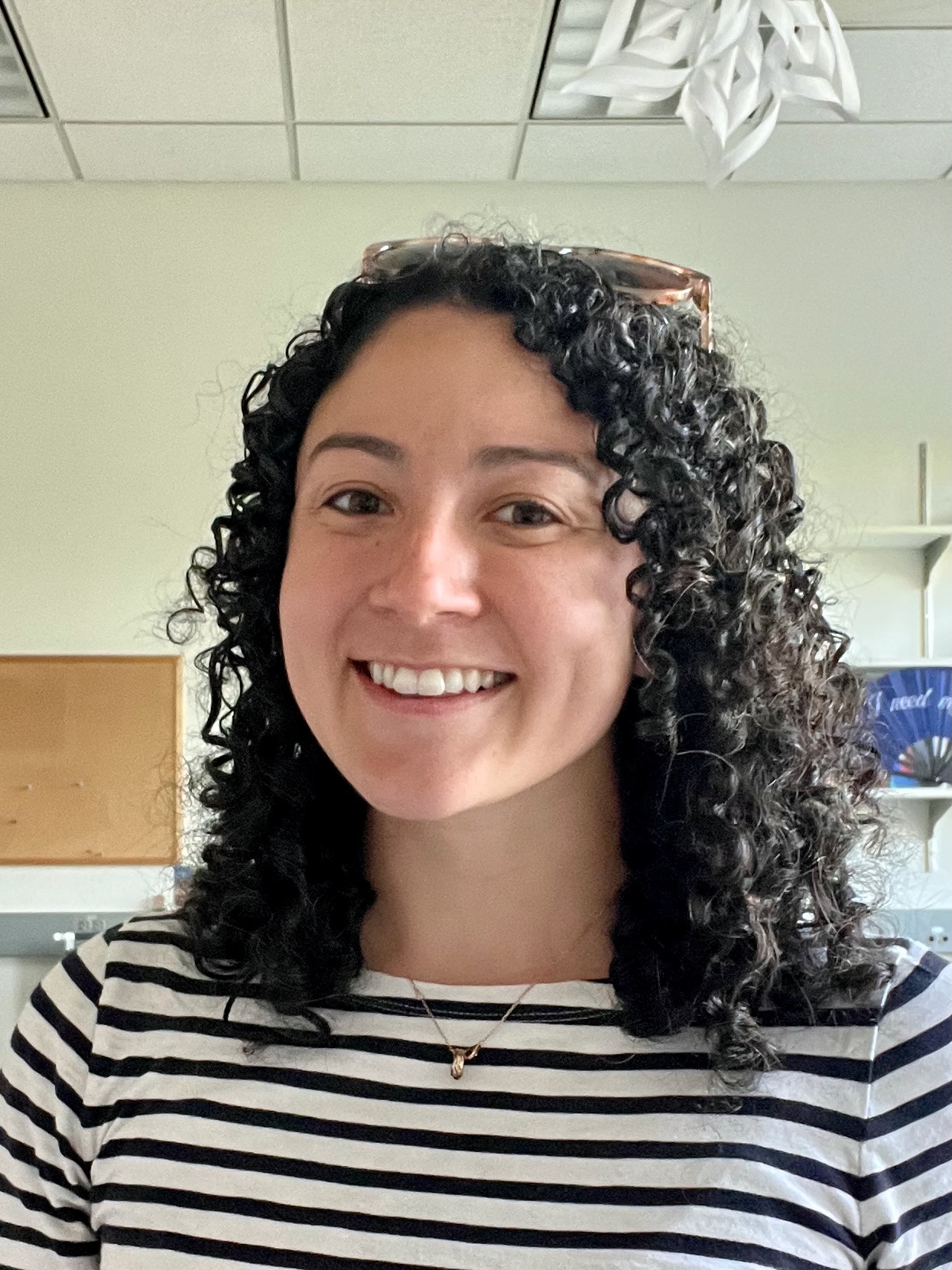
Charlotte Zimmerman
Cornell University
I am a post-doc working at Cornell to improve the physics course that life science students tend to take. My work focuses on improving the relevance of course as well as incorporating calculus-like reasoning into a course that does not require strong facility with performing calculus skills.
Laura Schoenle
Cornell University
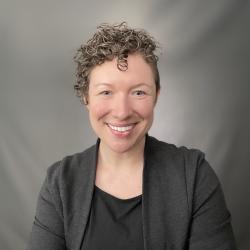
Laura Schoenle is Associate Director and Coordinator of Undergraduate Research and Honors in the Office of Undergraduate Biology at Cornell University. She develops, implements, and assesses programs that expand access to undergraduate research for biology students, coordinates the Biological Sciences Honors Program, and advises students pursuing graduate school. An ecophysiologist by training, she holds a B.S. in Animal Science from Cornell, an M.Ed. from the University of Arizona, and a Ph.D. in Biological Sciences from Virginia Tech. Before joining Cornell in 2018, she taught high school biology and environmental science and conducted postdoctoral research at the University of South Florida and Hamilton College.
Campbell McColley
Cornell University
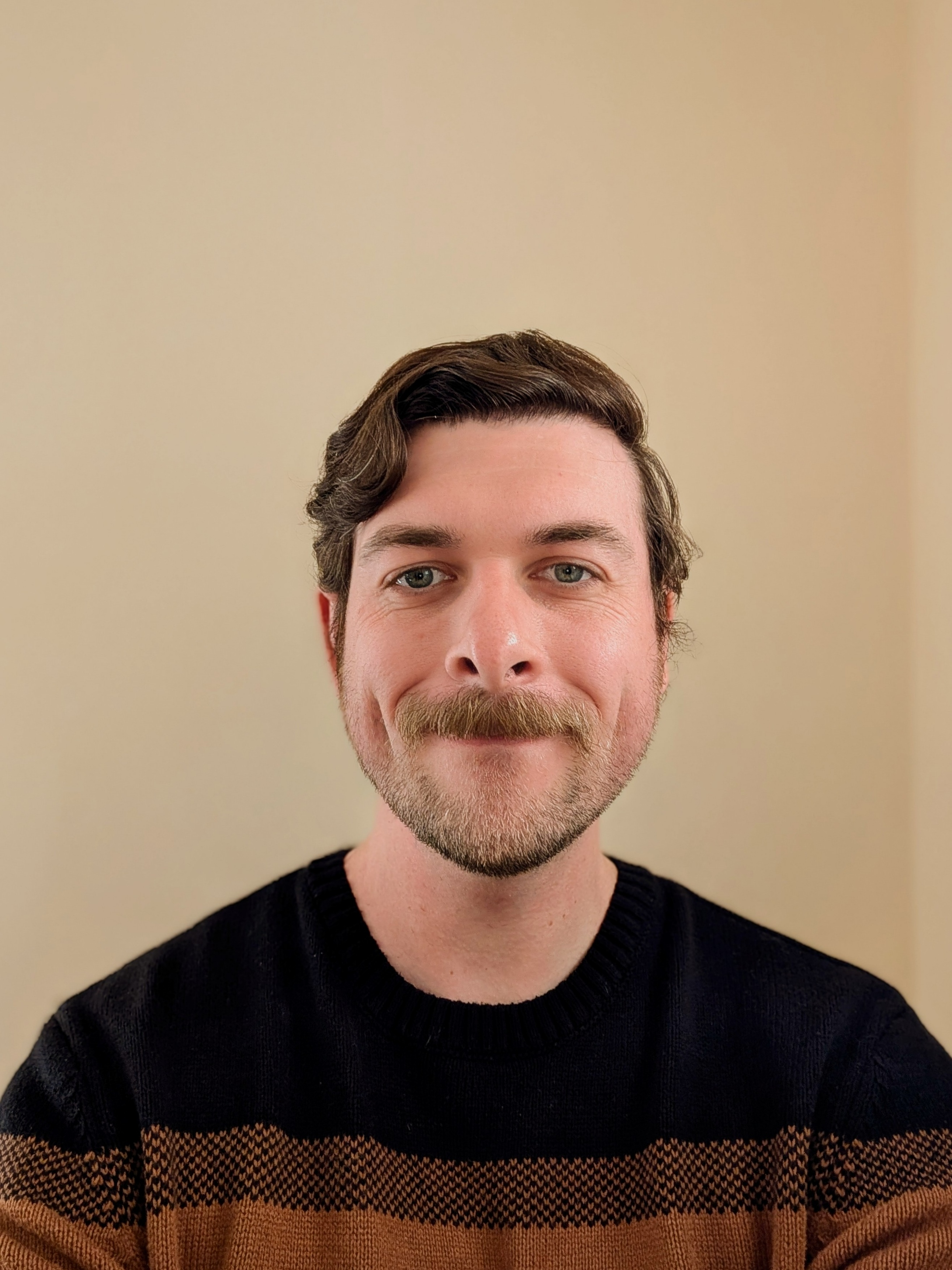
Campbell McColley is a Postdoctoral Fellow in the BEEAR Research Group. He holds a B.S. in Chemical Engineering from Virginia Commonwealth University (2016) and a Ph.D. in Environmental Engineering from Oregon State University (2023). Prior to doctorate he also obtained industry experience in the manufacturing and nonprofit sectors. His doctoral research focused on the fate of micro- and nanoplastics in aquatic environmental systems focusing on transformations by natural organic matter. Concurrently during his graduate studies, Dr. McColley also conducted engineering education research focused on authentic assessments in engineering classrooms and obtained a certificate in college and university teaching from OSU.Dr. McColley is a recipient of the NSF STEM Education Postdoctoral Research Fellowship (STEMEdPRF). His work centers on understanding how college-industry partnerships form and persist, using collaborations with wastewater treatment plants as a model for accessible yet underutilized industry engagement. The project aims to support undergraduate engineering programs, especially in rural areas, in building meaningful, hands-on learning experiences through these partnerships.
Bryan MacNeill
Cornell University
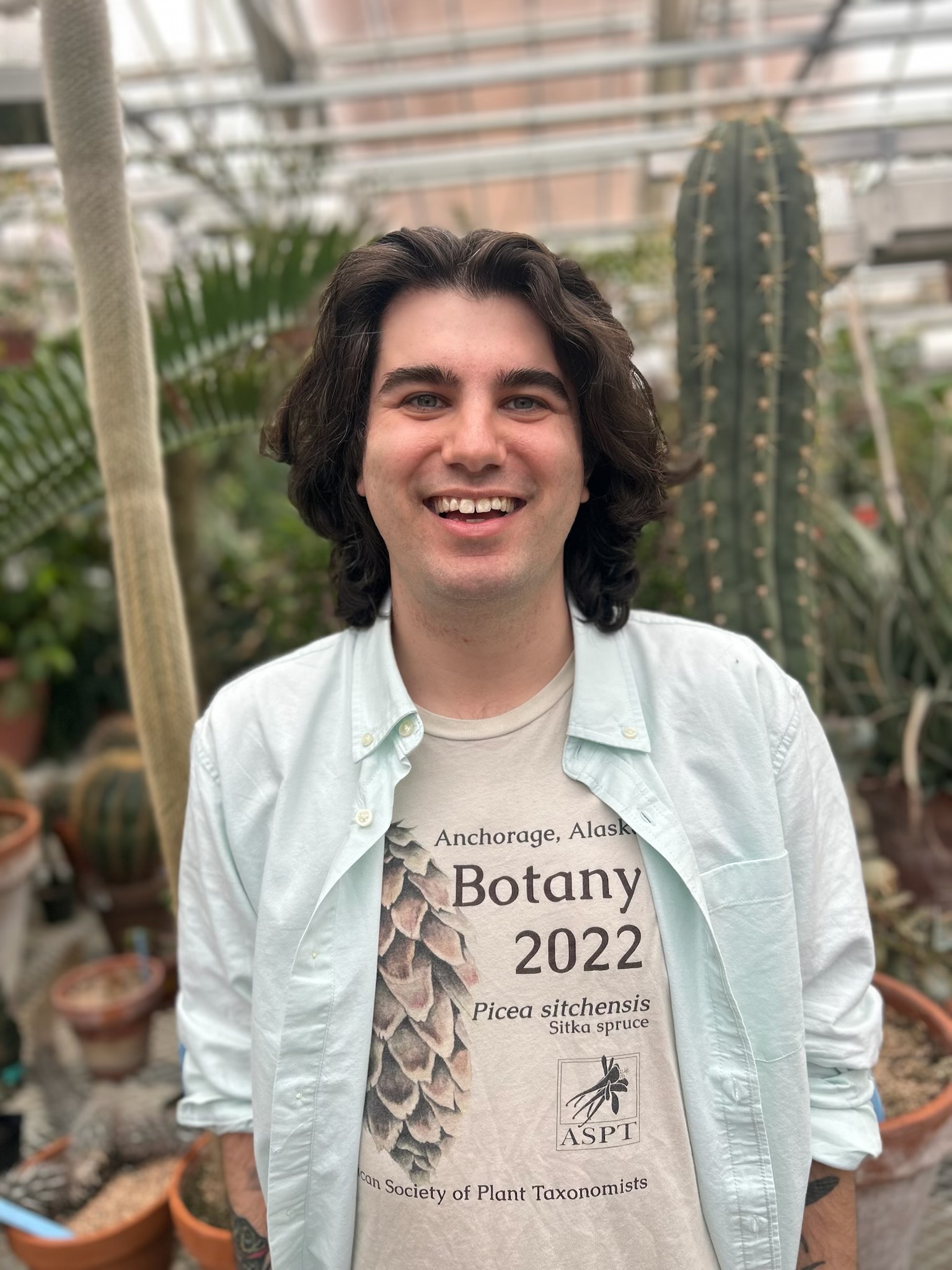
Bryan MacNeill is a Postdoctoral Researcher in Michelle Smith's Lab at Cornell University in the Department of Ecology and Evolutionary Biology. He earned his Ph.D. from the University of Alabama. His research focuses on identifying conceptual and contextual gaps in published biology lesson plans, with a particular interest in plant science and open educational resources.
Gabriel Mendez-Sanders
Cornell University
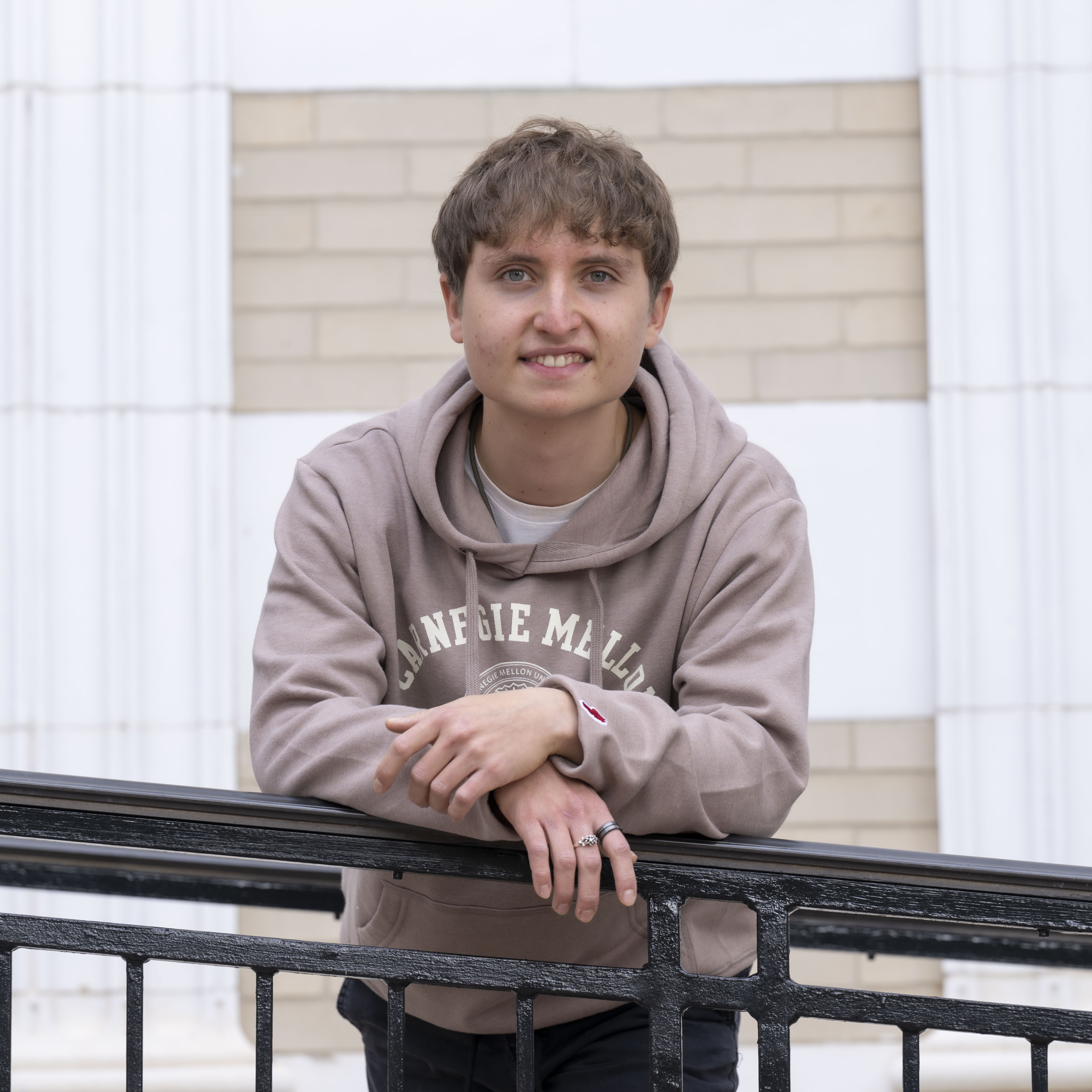
Gabe Mendez-Sanders is a second-year Chemical Engineering Ph.D. student at Cornell conducting research at the intersection of energy systems and engineering education. He uses multiple research methods to study how practicing engineers in the energy industry educate stakeholders to support project financing and deployment, as well as policy and regulation. He holds a B.S. and postbac in Chemical Engineering from Carnegie Mellon University.